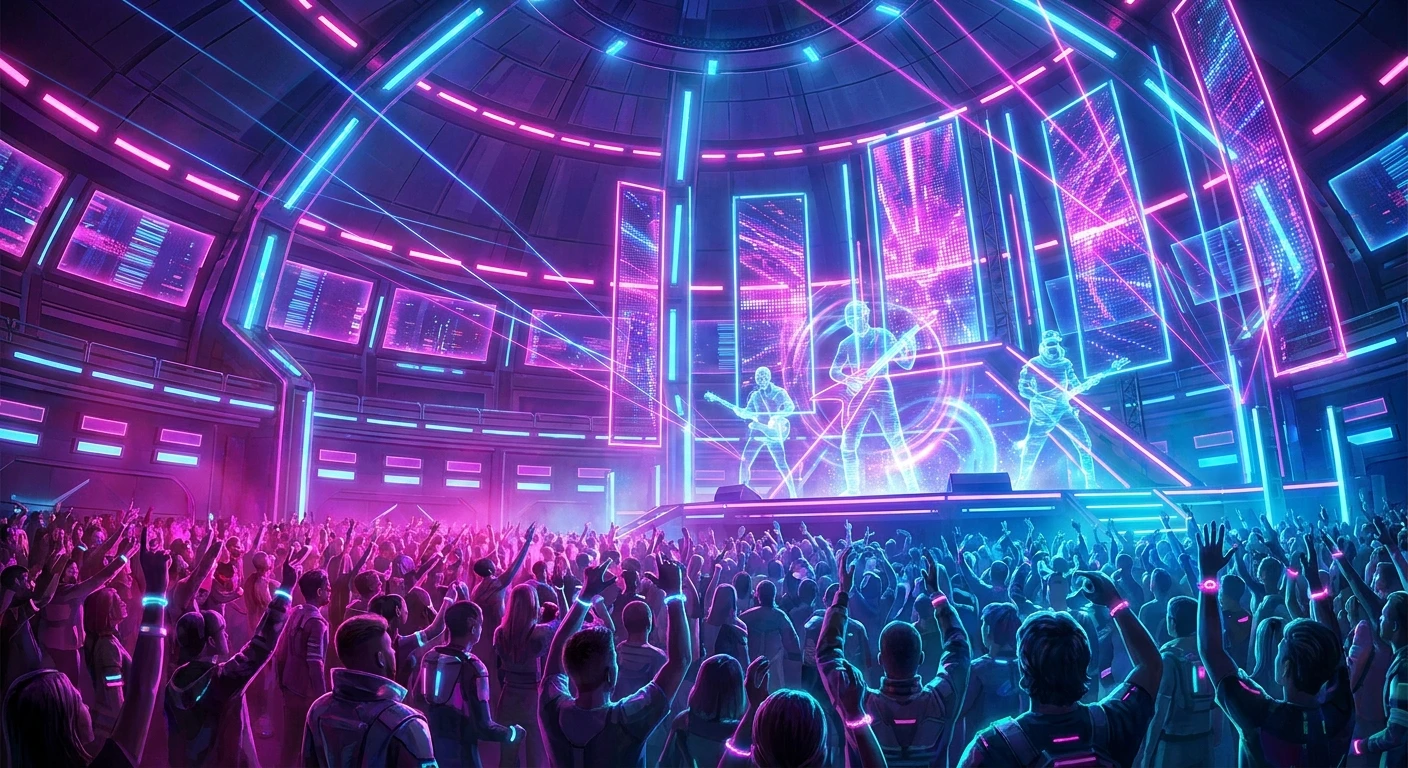
Why the le sserafim overwatch Collaboration is Still Breaking the Internet
Did you know the le sserafim overwatch event is still basically the wildest crossover we’ve ever seen? I remember logging into the game from my Kyiv apartment right when the servers updated, coffee in one hand, mouse in the other, just completely hyped to see K-pop smash into a hero shooter. It felt so surreal seeing massive billboards of the girls in the middle of a chaotic match.
This collaboration honestly shifted how we view gaming partnerships. It wasn’t just a random cash grab; it brought an entirely new vibe, a burst of neon pop energy to a competitive space. We are looking at a masterclass in merging music fandoms with gaming communities. The aesthetics alone are incredible, blending high-fashion streetwear with sci-fi combat gear.
Read also: mtg final fantasy Guide: Build Ultimate Decks; Why og fortnite skins Rule the Game.
I still see players rocking the Antifragile skins today, and it reminds me of those freezing winter nights when the power would occasionally blink out in Ukraine, but the moment the internet came back, my friends and I were instantly queuing up to earn those exclusive tickets in the arcade mode. The pure joy this brought was unmatched. We will break down exactly how this event changed the landscape, what made it tick, and why it remains the gold standard for pop culture gaming crossovers.
The core appeal of this crossover goes way beyond just putting famous singers into a video game. It fundamentally altered the reward loop and aesthetic baseline of the title. The value proposition here was brilliant: give hardcore gamers a reason to appreciate catchy K-pop, and give dedicated music stans a reason to download a fast-paced shooter.
Take the exclusive skins, for example. The D.Va skin wasn’t just a basic recolor; it featured a completely remodeled mech inspired by a luxury tour bus aesthetic. Similarly, the Kiriko skin brought streetwear elements that perfectly mirrored the actual outfits worn by the group in their music video. It showed a massive level of respect for both the artists and the player base.
| In-Game Hero | Le Sserafim Member Vibe | Special Accessory |
|---|---|---|
| Kiriko | Kim Chaewon | Antifragile Beanie |
| D.Va | Sakura | Custom Concert Mech |
| Tracer | Huh Yunjin | Neon Pilot Goggles |
| Brigitte | Kazuha | Sparkle Shield |
| Sombra | Hong Eunchae | Hacked Lightstick |
The gameplay loop introduced during the event was genuinely addictive. You weren’t just running around a map; you were actively collecting concert tickets. Here is exactly how the progression worked for players trying to maximize their haul:
- Grinding the Concert Clash: Players queued into a 3v3 mode specifically designed around capturing objective points to secure tickets, forcing fast-paced, highly aggressive team fights.
- Completing Event Challenges: Daily and weekly tasks pushed players to experiment with different heroes, ensuring that even support mains had to try flanking to get those exclusive sprays and name cards.
- Hoarding the Event Currency: The system allowed you to stockpile specific tokens that could be exchanged for the legendary victory poses, meaning you had direct control over which cosmetic you unlocked first.
By integrating the music directly into the main menu and the custom arcade maps, the developers made sure the sensory experience was flawless. You literally couldn’t escape the infectious beat of “Perfect Night,” and honestly, nobody wanted to.
The Origins of the K-Pop Gaming Blueprint
The idea of blending massive music acts with video games isn’t totally new, but the execution here was something else entirely. It started as whispered rumors on forums and cryptic social media teasers. The developers knew they needed something massive to revitalize the player base, and looking toward the explosive global reach of Korean pop music was a stroke of genius. They reached out to Source Music, pitching a vision where the idols wouldn’t just be background music, but active thematic participants in the game’s universe. The initial concept art featured the idols driving through a desert wasteland, which perfectly matched the game’s existing lore of nomadic scavengers and high-tech rebels.
Evolution of the Concert Clash Mode
Once the partnership was inked, the development team had to figure out how to translate a music video into playable content. They didn’t just paste posters on a wall. They built the Concert Clash mode from the ground up. In the early testing phases, developers realized that a standard deathmatch didn’t fit the upbeat, celebratory vibe of the band. So, they pivoted to a ticket-collecting mechanic. This evolution meant that the gameplay felt less about eliminating opponents and more about rushing to the front row of a concert. They tweaked the lighting, cranked up the neon pinks and blues, and synchronized the objective spawns with the heavy bass drops of the promotional track.
The Modern State of In-Game Collaborations
Now, sitting here in 2026, we can look back and confidently say this event set a ridiculously high bar. Other studios have tried to replicate this magic, dropping singers into battle royales or RPGs, but they often feel clunky or forced. The modern state of these crossovers demands absolute seamless integration, something this specific collaboration achieved flawlessly. It proved that if you respect the source material—both the game mechanics and the band’s aesthetic—you create an experience that lives on in the community’s memory for years. Players still beg for the skins to return to the shop, proving that true quality never goes out of style.
The Engine Mechanics Behind the Visuals
Let’s geek out for a second about how they actually made the game look so good during this event. The proprietary game engine had to undergo some fascinating tweaks to handle the specific neon glow and particle effects required for the K-pop aesthetic. Usually, the engine relies on physical-based rendering, which makes metal look like metal and leather look like leather by calculating how real light bounces off those materials. But to capture the music video vibe, developers implemented custom shaders. Think of a shader as a digital filter that tells the graphics card exactly how to draw an object on your screen. They used a technique called bloom enhancement which takes the brightest parts of the image—like D.Va’s neon guns or Sombra’s glowing jacket—and bleeds that light into the surrounding pixels, creating that soft, dreamy, concert-like glow. It sounds complicated, but it basically just means they tricked the computer into making everything look like a high-budget music video.
Audio Engineering for the Ultimate Vibe
The sound design is where the real technical magic happened. The audio engineers didn’t just slap an MP3 of “Perfect Night” into the background. They used dynamic audio stems. This means the song was broken down into its individual parts—vocals, bass, drums, synth.
- Spatial Audio Integration: The game engine calculated exactly where you were standing in the virtual arena. If you were near the giant speakers, the bass frequencies were artificially boosted to rattle your headset.
- Adaptive Mixing: When a chaotic team fight broke out, the game automatically ducked the vocal tracks slightly while raising the percussion, keeping the adrenaline high without masking crucial gameplay sound cues like enemy footsteps.
- Doppler Effect Simulation: If a character dashed past you while carrying the objective, the music attached to their aura would actually bend in pitch, exactly how a police siren sounds when it speeds past your car.
- Seamless Looping: The developers created custom bridges between the chorus and verses so that no matter how long the overtime lasted, the song never felt like it awkwardly restarted.
Whether you are reminiscing or gearing up for a potential rerun of the event, you need a solid strategy to grind out all those cosmetics without burning out. Here is a foolproof 7-day plan to maximize your efficiency and fun.
Day 1: Map the Arcade Mode
Spend your first few hours strictly in the custom arcade mode. Don’t worry about winning just yet. Your only goal is to learn where the ticket machines spawn, memorizing the fastest routes from your spawn room to the center stage.
Day 2: Master the High-Mobility Heroes
This mode heavily favors speed. Spend today locking in characters like Tracer or Sombra. You need to practice your blink distances and translocator throws. Being able to secure a ticket and vanish before the enemy team reacts is your best win condition.
Day 3: Focus on the Daily Challenges
Open up your event menu and look at the daily tasks. They usually require simple things like saying hello to a teammate or dealing specific amounts of damage. Knock these out in your first three matches to secure that massive burst of event experience points.
Day 4: Coordinate with a Squad
Stop queuing solo. Jump into a community Discord or text your friends. Playing with a coordinated trio makes securing the concert tickets infinitely easier. Assign one person to be the dedicated ticket runner while the other two act as bodyguards.
Day 5: Farm the Ultimate Voice Lines
By now, you should have a solid stash of event currency. Start buying the cheaper items first, specifically the unique voice lines. Equipping these and spamming them in the spawn room is essential for boosting team morale.
Day 6: The Competitive Grind for Sprays
Some event challenges require you to play outside the arcade mode. Spend today playing standard unranked or competitive matches to fulfill the general match completion requirements. You get double progress for winning, so bring your absolute best strategies.
Day 7: The Final Polish and Flex
It is the last day. Cash in all your remaining tokens for the legendary skins. Once you have them equipped, jump into a custom lobby just to admire the weapon charms and victory poses. Take screenshots, share them online, and enjoy the fruits of your labor.
There is a lot of misinformation out there about how this collaboration actually went down. Let’s clear the air and set the record straight right now.
Myth: The skins were only available for real-money purchases and couldn’t be earned by playing.
Reality: While the premium bundle was in the shop, you could absolutely earn the legendary Junkrat skin and tons of weapon charms completely for free just by grinding the arcade challenges.
Myth: The K-pop stars actually voiced the characters in the game.
Reality: The original voice actors reprised their roles for the event. The band provided the thematic inspiration, the music, and the choreography for the victory poses, but they didn’t replace the core cast’s voice lines.
Myth: The event permanently changed the map layouts in standard competitive play.
Reality: The heavy neon lighting and concert stages were strictly confined to the specific arcade mode and the main menu screen. Standard competitive integrity was perfectly maintained without any distracting visual clutter.
Are the skins coming back?
There is no official confirmation for 2026, but the developers frequently rotate popular vault skins back into the anniversary shop.
How long did the original event last?
The initial run lasted for a few weeks, giving players ample time to unlock the free rewards.
Which hero got the best skin?
It is highly subjective, but the community generally agrees that Kiriko’s streetwear look is top-tier.
Was there a live concert in the game?
Not exactly a live virtual concert like in other games, but the music video was heavily integrated into the menus and maps.
Could you earn Overwatch coins during the event?
Yes, completing specific weekly event challenges awarded a small amount of premium currency.
Did the event include new dance emotes?
Absolutely, the bundle featured custom dance emotes perfectly synced to the “Perfect Night” choreography.
Is the custom game mode still playable?
Sometimes players recreate the ruleset in the Workshop, but the official arcade mode is currently vaulted.
To wrap this all up, the crossover fundamentally proved that bridging high-energy music with competitive gaming creates an unforgettable experience. It wasn’t just a shop update; it was a cultural moment that brought two massive fandoms together seamlessly. If you haven’t checked out the music video or the incredible fan art from this era, what are you waiting for? Boot up your client, join the community forums, and start prepping for whatever massive crossover comes next!
Leave a Reply