The Magic Behind Tears of the Kingdom Amiibo
Have you finally decided to scan that dusty figure on your shelf to see what tears of the kingdom amiibo rewards actually drop in your game? Let me tell you, it completely shifts how you survive in Hyrule. Just the other evening, during a scheduled power outage here in Kyiv, my switch was fully charged. Sitting in the dark with a single candle, I tapped my old rider figure against the right joy-con, and boom—a treasure chest plummeted from the virtual sky, blessing me with much-needed paraglider fabric. It felt like pure magic. Scanning these little statues is a total game-changer for stocking up on rare materials, exclusive glider fabrics, and nostalgic armor sets that are brutally hard to farm otherwise.
My goal right now is to break down exactly how you can maximize every single tap. We are going to look closely at drop rates, the mechanics of the scanner, and what exactly you should be hunting for. By the time you finish reading, you will know precisely which figures give you the absolute best return on investment for your daily scans. The thrill of the drop is unmatched. Every single day, you get a fresh opportunity to alter your gameplay experience entirely. I want to save you from the frustration of blind scanning and help you secure the best loot possible.
The core benefit of integrating these figures into your daily routine is the massive reduction in grind time. When you are strapped for rupees or failing against tough enemies, consistent daily drops provide an invaluable safety net. For instance, scanning the Majora’s Mask figure gives you a reliable shot at getting the Fierce Deity armor set, which grants a massive attack boost. Another prime example is the Zelda and Loftwing figure, which showers you with rare herbs and a uniquely beautiful glider fabric that makes soaring above the clouds incredibly stylish.
Here is a quick breakdown of some top-tier options:
| Figure | Primary Drop | Rare Reward |
|---|---|---|
| Majora’s Mask Link | Mushrooms & Arrows | Fierce Deity Armor |
| Zelda & Loftwing | Herbs & Flowers | Goddess Fabric |
| Guardian | Ancient Materials | Ancient Blades |
You might be wondering how to optimize this process. It is actually quite simple once you get the hang of it. Follow this straightforward routine:
- Enable the sensor rune in your Purah Pad settings right after you drop onto the surface.
- Create a manual save file immediately before scanning your figure.
- Tap the base of the statue to your right Joy-Con or Pro Controller NFC reader.
- Open the chest; if you do not get the rare item you wanted, simply reload that manual save and try again.
This technique guarantees you never waste a daily scan on a generic rusty broadsword. You can effectively force the game to hand over the elusive Twilight Bow or the Sea-Breeze Shield. Beyond just the legendary gear, the sheer volume of raw ingredients means you spend way less time foraging and much more time actually building crazy Zonai contraptions. The economic advantage cannot be overstated. Selling the excess roasted meat and baked apples translates directly into rupees, allowing you to buy the remaining armor sets from village merchants.
Origins of Nintendo’s NFC Figures
The concept of these interactive figures started way back during the Wii U era, aiming to bridge physical collecting with digital rewards. Nintendo initially introduced them as simple data-storage toys, but the Zelda franchise quickly adopted them in full force. Early iterations merely gave players an extra bundle of arrows or some basic healing items. The magic truly started when developers realized fans wanted tangible rewards that felt exclusive to the character portrayed by the plastic statue. It created a powerful physical-to-digital connection.
The Evolution of Zelda Drops
Fast forward to the release of Breath of the Wild, and the system underwent a massive overhaul. The developers tied specific, legacy armor sets to the figures. You could dress up as the Hero of Time just by tapping a toy. When the sequel launched, the integration matured even further. Instead of just weapons, players could unlock customized paraglider fabrics. This aesthetic customization was a brilliant move, shifting the focus from purely overpowered stats to stylish self-expression. Every chest falling from the sky suddenly carried the potential for a unique visual upgrade.
The Modern State in 2026
Now that we are deep into 2026, the landscape of collecting and using these items has shifted again. Finding an original, sealed figure on store shelves is practically impossible. Fans rely heavily on the thriving secondary market, trading cards encoded with NFC data, or simply sharing figures among local gaming groups. Nintendo has kept the software infrastructure fully intact, meaning the rewards remain just as viable today as they were on launch day. The community has meticulously documented every single percentage chance for drops, turning what used to be a fun surprise into a highly calculated science of resource management.
How NFC Technology Communicates
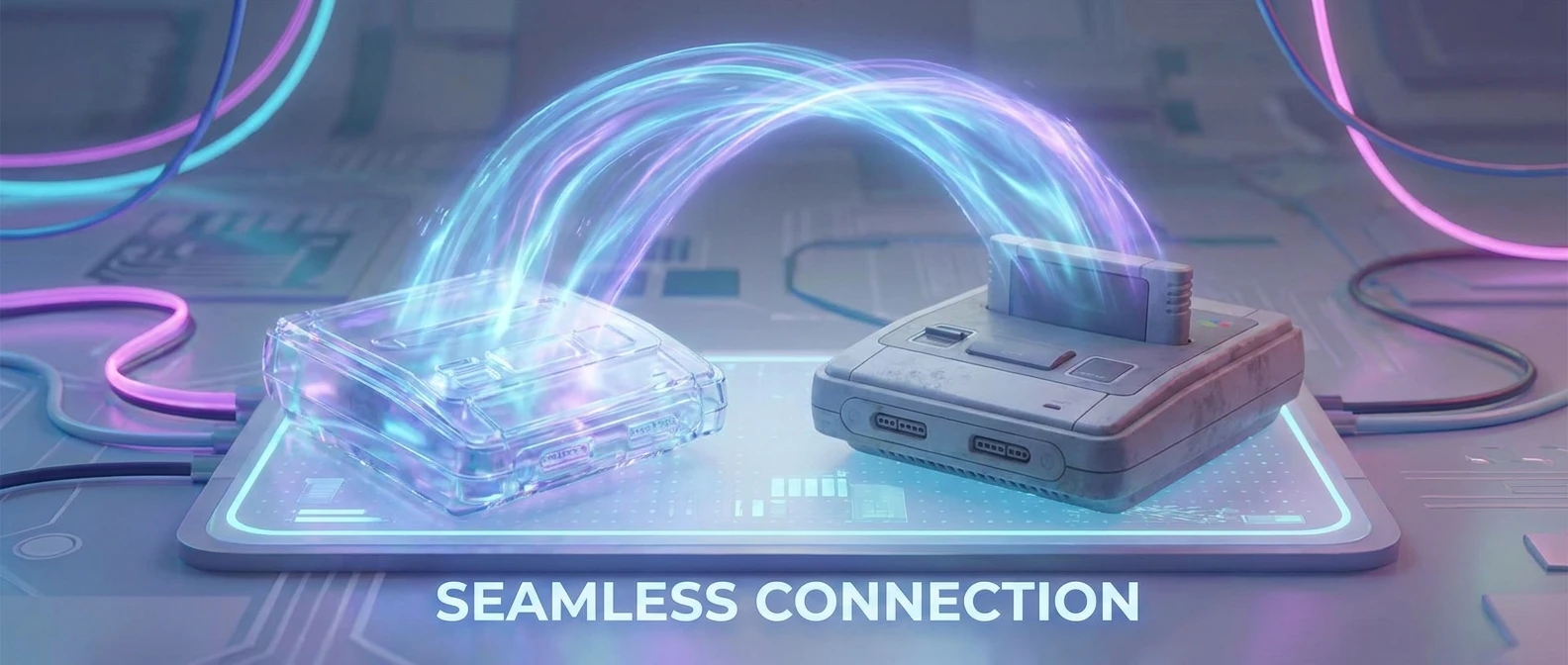
If you ever stopped to wonder how a plastic toy magically sends a legendary sword into your television, the answer lies in Near Field Communication (NFC) technology. Inside the base of every official figure sits a tiny microchip attached to a small circular antenna. When you bring this base within a few millimeters of your controller, the controller projects a weak electromagnetic field. This field literally powers the microchip passively, allowing it to broadcast its unique identification string back to the console. The game software reads this specific ID, recognizes the exact character, and pings the corresponding loot table stored in the game files.
The Random Number Generation System
Once the game identifies the character, it employs a sophisticated Random Number Generation algorithm to decide what falls out of the sky. This RNG system is not entirely pure chance; it operates on a tiered probabilistic model. The game checks your current progression level to determine which tier of loot you are eligible to receive.
Here are some technical facts regarding the scan process:
- The NFC chips transmit data at a frequency of exactly 13.56 MHz, which is standard for passive RFID tags.
- Read and write operations take less than a tenth of a second, making the physical tap feel instantaneous.
- The game utilizes a pseudo-random number generator seeded by the console’s internal clock to calculate drop variables.
- Progression flags in the game code permanently unlock the highest percentage drop tiers after reaching specific milestones.
- Controllers use a dedicated polling rate to constantly search for a signal whenever the rune is actively engaged on the screen.
Understanding these mechanics highlights why saving and reloading works so flawlessly. You manipulate the game’s internal clock seed just enough to roll the digital dice again.
Day 1: Preparation and Registration
Start your week by ensuring all your figures are registered to your console profile. Open the system settings, navigate to the NFC section, and register an owner and nickname for each one. This ensures the read process is fast and seamless when you boot up the game.
Day 2: The Glider Fabric Hunt
Dedicate your second day strictly to hunting for aesthetic upgrades. Use the new Link figure specifically designed for the sequel to farm for the Champion’s Leathers fabric. If you do not get it, reload your manual save. Do not settle for raw meat today; demand that fabric.
Day 3: Stocking the Pantry
On day three, stop reloading saves. Scan every single figure you own, including non-Zelda ones. Let the skies rain down apples, herbs, and fish. Collect everything frantically. You will end up with enough raw ingredients to cook dozens of high-tier recovery meals for your upcoming boss fights.
Day 4: Weapon Farming
Shift your focus to armaments. Scan figures like the Smash Bros Ganondorf or the Guardian. Accept nothing less than high-durability claymores, gerudo weapons, or ancient blades. If a chest drops a simple rusty shield, immediately revert to your previous save state.
Day 5: The Epona Retrieval
If you have the Super Smash Bros Link or Twilight Princess Link, today is the day you summon Epona. Make sure you are near a stable before you tap the figure! Once the legendary horse appears, quickly register her so you do not lose her to an unexpected despawn.
Day 6: Legacy Armor Grinding
Spend this day hunting for nostalgia. Your goal is to secure a piece of the Wind Waker set or the Ocarina of Time set. Be prepared; this requires patience. The drop rates for the caps and tunics are notoriously low, so you might be reloading your save file dozens of times.
Day 7: Economic Liquidation
Take inventory of everything you gathered over the week. Cook all the extra raw prime meat into meat skewers. Travel to a vendor in Lookout Landing and sell these skewers. You will walk away with thousands of rupees, completely funding your arrows and armor upgrades for the foreseeable future.
Debunking Common Loot Myths
There is a lot of misinformation floating around the community regarding how these items function.
Myth: You have to beat the entire game before you can get the best drops from your figures.
Reality: While some weapons are locked behind progression, most paraglider fabrics and legacy armor sets can drop the very moment you land on the surface world. You do not need to wait.
Myth: Scanning non-Zelda characters will break or glitch the loot system.
Reality: Absolutely false. Scanning a Mario or Animal Crossing figure simply drops a small assortment of random crafting materials and cooking ingredients. It is completely safe and highly beneficial.
Myth: The physical statues have finite scans and will eventually run out of magic.
Reality: The passive NFC chips inside the bases do not degrade from being scanned. You can tap them once a day for decades without any loss of functionality or data degradation.
Myth: You cannot get Epona if you missed her on your first scan.
Reality: Epona has a very high chance of spawning on the first scan, but if she runs away, she remains in the loot pool. You can still summon her on subsequent days.
Can I scan the same figure twice in one day?
No, the game strictly limits each unique NFC chip to one scan per real-world day.
Do I need internet access to claim rewards?
No, the loot tables are hardcoded into the game software entirely offline.
What happens if the treasure chest falls into lava?
You lose the loot for the day unless you immediately reload your previous manual save file.
Does the Nintendo Switch Lite support these scans?
Yes, the right analog stick on the Switch Lite functions as the built-in NFC reader.
Can I use third-party NFC cards?
Yes, the game reads the NFC data exactly the same, though official statues offer physical aesthetic value.
Are the paraglider fabrics available without figures?
Most are exclusive to the physical drops, making them highly sought-after cosmetic upgrades.
Does weather affect the falling chests?
No, chests drop perfectly fine during thunderstorms, though metal chests might attract lightning strikes.
What is the rarest drop available?
The legendary twilight bow boasts one of the lowest drop rates, requiring immense patience to acquire.
Conclusion: Maximize Your Daily Scans
Mastering the daily routine of using your tears of the kingdom amiibo absolutely changes the resource economy of Hyrule. From securing the most stylish paraglider fabrics to ensuring your pockets are constantly overflowing with prime meat, these daily scans save you tremendous amounts of grinding. Now that you know exactly how the random number generation works and how to optimize your daily drops through manual saving, grab your controller and start tapping. Drop a comment below telling me which armor set you managed to pull first, and share this guide with your fellow adventurers!
Leave a Reply