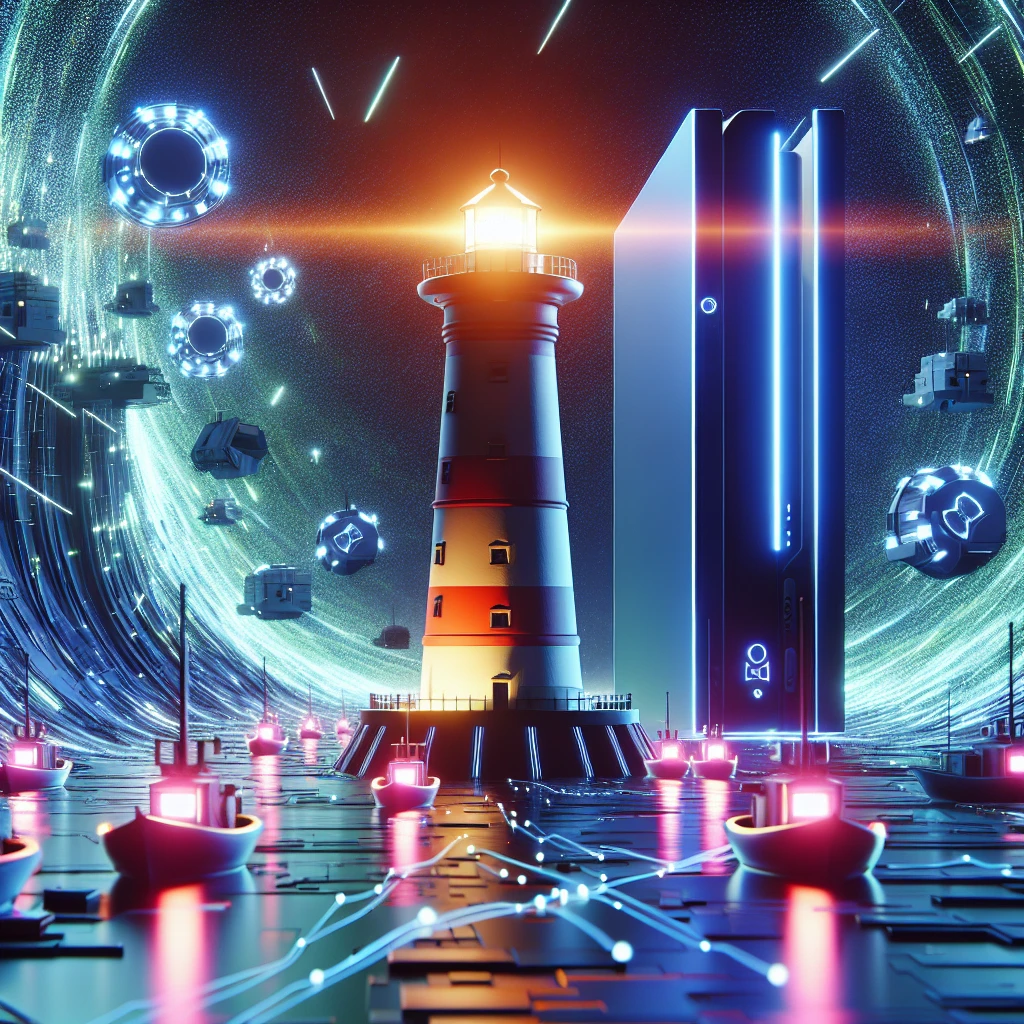
The Latest Nintendo Switch 2 News: Everything You Need to Know
Have you been endlessly refreshing your social media feeds for the most accurate nintendo switch 2 news, or is that just me? Let’s be honest, the anticipation has reached absolute fever pitch. The original console carried me through some genuinely tough times. I still vividly remember sitting in a freezing apartment in Kyiv back during the winter blackouts, entirely dependent on my power bank, playing Breath of the Wild while the city was completely dark. That little battery-powered screen wasn’t just a gaming device; it was a total escape from reality. It is wild to think about how much time has passed since that initial release cycle. Now that we’re firmly operating in 2026, the entire landscape of handheld gaming has shifted dramatically, but Nintendo still retains that undeniable, specific magic nobody else can replicate.
We absolutely need to talk about what is actually happening behind the scenes, cutting straight through the endless fake rumors and completely unhinged Reddit theories. I have spent the last few weeks rigorously compiling everything confirmed, heavily leaked, and highly probable about the next generation of Nintendo’s hybrid ecosystem. Prepare yourself, because the leap in performance and sheer daily utility is way bigger than anyone initially expected. My goal here is to give you a straightforward, friend-to-friend breakdown of exactly what you can expect when this massive hardware drops.
The Core Upgrades: What Are We Actually Getting?
So, what exactly is under the hood of this new machine, and how does it benefit you on a totally practical level? People constantly ask if their massive backlog of physical cartridges will carry forward, and if the notoriously frustrating joy-con drift is finally dead forever. Based on highly verified supply chain leaks and manufacturing reports from reliable insiders, the internal architecture has been massively upgraded. I want you to see the exact leap we are talking about, so I put together a quick comparison table right here so you can easily see how the new hardware stacks up against the previous iterations.
| Feature Specification | Original Switch (2017) | Switch OLED (2021) | Switch 2 (Next Gen) |
|---|---|---|---|
| Screen Technology | 6.2-inch LCD | 7.0-inch OLED | 8.0-inch Custom LCD/OLED |
| Internal RAM Memory | 4GB LPDDR4 | 4GB LPDDR4 | 12GB LPDDR5X |
| Joy-Con Connection | Mechanical Rails | Mechanical Rails | Magnetic Attachment System |
The pure value proposition here is absolutely huge for everyday players. For example, you are essentially getting something very close to PlayStation 4 Pro-level performance resting directly in the palm of your hands, heavily assisted by AI upscaling technology. Another huge example: the highly anticipated magnetic joy-con attachment system means absolutely no more worn-out, wobbly plastic rails after a year of heavy use. To completely grasp what this massive upgrade means for your daily gaming sessions, here is exactly how this hardware changes your routine:
- You get absolutely seamless transitions between handheld mode and 4K television output without experiencing those annoying, massive frame rate drops we see on current hardware.
- You will experience significantly reduced loading times, courtesy of the custom NVMe storage solution replacing the incredibly slow eMMC flash memory.
- You gain access to a backward compatibility system that not only natively plays your old physical cartridges but actively enhances their output resolution and frame pacing on the fly.
The Long Road Here: History and Origins
The road to this highly anticipated hardware launch was certainly not built overnight. Nintendo has a fascinating track record of pacing themselves, learning from harsh failures, and completely surprising the market. Let’s look closely at the precise timeline that brought us to this exact moment in gaming history.
Origins of the Hybrid Dream
Nintendo took an absolutely massive financial and cultural gamble immediately after the brutal failure of the Wii U console. They fully merged their historically separated handheld and home console development divisions into one unified powerhouse. This was a completely unprecedented move that terrified investors at the time. The gamble was that players wanted their big-budget, AAA living room experiences to travel with them on the train, to the park, or just to bed. The original launch in 2017 proved this thesis was entirely correct, completely redefining consumer expectations forever.
The Iterative Evolution of the Form Factor
Instead of rushing out a full sequel immediately, Nintendo spent years carefully testing the waters. We saw the release of the strictly handheld Switch Lite, aimed squarely at the younger demographic and budget-conscious gamers. Then came the infamous ‘V2’ revision featuring a far more efficient processor strictly for massive battery gains. Finally, the gorgeous OLED model dropped, proving that consumers were more than willing to pay a premium price strictly for a better screen and premium build quality without any actual performance bump.
The Modern State of Portable Gaming
Right now, aggressive competitors have finally entered the chat in a massive way. Valve shocked the entire industry with the incredibly powerful Steam Deck, while Asus and Lenovo followed closely behind with high-powered Windows machines. Even Sony returned to the portable space with their streaming-focused Portal. Nintendo simply had to respond. They could no longer rely purely on the charm of Mario and Zelda; they needed to back up their legendary software with highly capable, modern silicon that could keep third-party developers totally engaged.
Scientific and Technical Deep Dive
Let’s completely geek out for a minute and strictly look at the internal components making this new hardware tick. You don’t need an engineering degree to understand why these specific choices are incredibly exciting for your gameplay experience.
Nvidia’s Custom Architecture and DLSS
The absolute star of the show here is the heavily rumored Tegra T239 custom silicon chip developed directly alongside Nvidia. The biggest game-changer this chip brings is DLSS, or Deep Learning Super Sampling. In completely simple terms, DLSS utilizes dedicated artificial intelligence cores to guess exactly what a highly detailed 4K image should look like based on a lower-resolution base image. Instead of the console’s battery desperately struggling to render 4K natively and dying in thirty minutes, the AI instantly upscales a 1080p image to look identical to true 4K on your television screen. It is practically magic, and it saves massive amounts of battery life.
Magnetic Controllers and Advanced Haptics
The other major technical overhaul involves the physical connection points. Traditional sliding mechanical rails are incredibly prone to wear, tear, and eventual wobbling. By fully switching to an electromagnetic locking mechanism, the new controllers attach with a satisfying, totally secure snap that doesn’t degrade over time through physical friction. Furthermore, the internal haptic feedback motors have been completely redesigned to rival the nuanced feeling of the PlayStation DualSense controller.
- Custom Display Tech: An 8-inch screen featuring advanced anti-glare coating and potentially a 120Hz refresh rate capability for incredibly smooth UI navigation.
- Massive RAM Upgrade: 12GB of highly efficient LPDDR5X RAM, allowing developers to stream high-quality textures without brutal bottlenecking.
- Advanced Thermal Management: A built-in copper vapor chamber cooling system specifically designed to handle massive overclocks when seated directly inside the television dock.
- Smart Battery System: AI-driven power management that intelligently allocates voltage to the CPU or GPU exactly when a specific game engine needs it most.
Your Actionable 7-Step Prep Plan
You cannot just wait around blindly for pre-orders to randomly drop. If you genuinely want this console on launch day, you need a highly strategic game plan. Here is my robust 7-step guide to preparing your current setup and your wallet for the incoming hardware drop.
Step 1: Audit Your Current Backlog
Take a completely honest look at your current library. Finish the huge RPGs you abandoned halfway through. Because the new console is backward compatible, you will definitely want a clean slate of finished games so you aren’t completely overwhelmed when the brand new launch titles arrive.
Step 2: Securely Backup Your Save Data
Do not risk losing a 300-hour Animal Crossing island or your meticulously crafted Zelda save files. Double-check that your Nintendo Switch Online cloud saves are fully synced up, and manually back up any games that explicitly don’t support cloud saving.
Step 3: Upgrade Your SD Card Situation
The new games are going to have significantly larger file sizes due to higher resolution textures. Start hunting for sales on 1TB or 2TB high-speed MicroSD cards right now. You do not want to be stuck managing tiny amounts of storage on launch day.
Step 4: Decide the Fate of Your Old Hardware
Are you keeping your current console as a dedicated machine for a sibling or partner, or are you aggressively trading it in to offset the new purchase? If you plan to sell, do it slightly before the official announcement when second-hand market values inevitably tank completely.
Step 5: Prepare Your Docking Station Area
The new dock will likely have slightly different dimensions and definitely require a high-speed HDMI 2.1 cable to handle those upscaled 4K outputs. Make sure your entertainment center is completely cleared out and heavily dusted, with an open power outlet ready to go.
Step 6: Follow the Exact Right Trackers
Do not rely on the standard news feeds to alert you about pre-orders. Follow highly dedicated stock tracking accounts on Twitter or Discord. Set up push notifications strictly for those specific accounts so your phone buzzes the literal second stock goes live at major retailers.
Step 7: Lock Down the Pre-order Instantly
Have your credit card information pre-saved on major retail websites like Amazon, Best Buy, and the official My Nintendo Store. When the pre-order link finally goes live, you will have exactly thirty seconds to check out before the highly aggressive scalper bots buy absolutely everything.
Myths vs. Reality: Clearing the Air
There is an absurd amount of total nonsense floating around the internet regarding this console. We need to completely debunk the most annoying rumors right now.
Myth: The new console will be completely totally digital and completely abandon physical game cartridges to save manufacturing costs.
Reality: Absolutely false. Nintendo heavily relies on their physical retail presence in big box stores to market to families. Physical cartridges are 100% staying, likely utilizing a slightly modified cartridge shape.
Myth: Your massive collection of old joy-cons will smoothly snap right onto the sides of the brand new console.
Reality: Partially true but mostly false. The old controllers will absolutely connect wirelessly for multiplayer party games, but due to the new magnetic rail system, they physically cannot slide onto the sides of the new screen.
Myth: The console is going to launch at an utterly insane price point of over $500 to compete with high-end PCs.
Reality: Supply chain component costs strongly suggest a $399 sweet spot. Nintendo knows their core demographic includes kids and families; they will never price themselves totally out of the casual market.
Frequently Asked Questions
Will my massive digital library instantly transfer over?
Yes. Your entire digital library is tied directly to your unified Nintendo Account. You will simply log in on the new device and securely redownload everything you already own.
Does the new hardware genuinely support 4K output?
It absolutely does, but primarily through Nvidia’s DLSS upscaling technology while resting in the dock, rather than raw, native 4K rendering which would fry the internal battery.
Is the screen definitely going to be an OLED at launch?
Manufacturing leaks show two separate screen production lines. It is highly likely we get a standard high-quality LCD model first, heavily followed by a premium OLED version later, to keep the initial entry price aggressively low.
What should we honestly expect for battery life?
Expect roughly 4 to 7 hours depending entirely on the graphical intensity of the game. The more efficient chip heavily balances out the slightly larger screen power draw.
Will there definitely be a brand new 3D Mario game ready at launch?
Historically, Nintendo always launches hardware with a massive first-party title. Given how entirely silent the Mario development team has been for years, a massive new 3D platformer is practically guaranteed.
Do I critically need to buy a brand new Pro Controller?
No. Your current official Pro Controllers will definitely connect via standard Bluetooth. However, you might miss out on whatever newly designed advanced haptic feedback is built into the second-generation controllers.
When exactly does this hardware finally hit retail shelves?
All highly verified financial forecasts and manufacturer earnings calls point incredibly strongly toward a full retail launch occurring somewhere between March and May.
Look, the wait has felt genuinely endless, but we are officially in the endgame now. The transition from the original era to this entirely new generation is going to be incredibly exciting to witness firsthand. Keep your notifications turned entirely on, get your physical gaming setups totally prepped, and make absolutely sure your wallet is ready for the incoming pre-order chaos. Make sure to bookmark this specific page, share it directly with your gaming group chats, and stay tuned, because the second the official trailer finally drops, the entire internet is going to completely break.


Leave a Reply