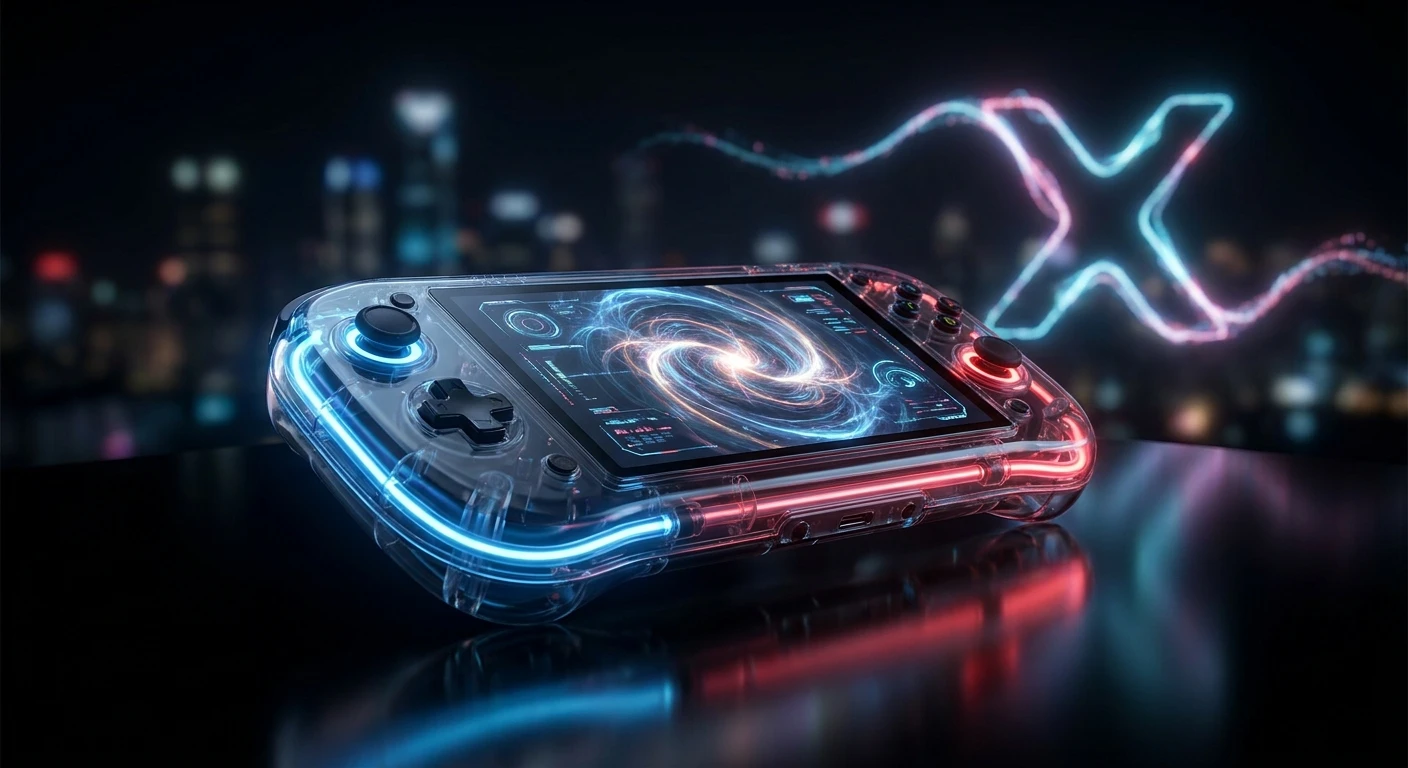
What the Latest Nintendo Switch 2 Leaks Reveal
The gaming community is completely buzzing right now because the newest Nintendo Switch 2 leaks reveal a massive leap forward in handheld hardware performance. If you have been tracking the constant stream of supply chain whispers and data mining efforts, you already know that the silence from official channels only fuels the fire. We are staring at a completely redefined hybrid console experience that bridges the gap between standard portable play and home theater graphics. The transition from the original hardware to this upcoming iteration represents a massive leap in processing power, memory bandwidth, and display technology.
You do not need to guess what is coming anymore. The data pulled from shipping manifests and component manufacturers paints a highly detailed picture of the future. Forget the minor iterative bumps we saw with mid-generation refreshes; this is a full-fledged generational jump. The sheer volume of Nintendo Switch 2 leaks circulating right now confirms that the Japanese gaming giant is preparing to tackle modern graphic demands head-on while keeping the flexible, play-anywhere identity intact. You are going to want to pay close attention to the specific component upgrades, because they dictate exactly how your future gaming library will look and run.
Read also: The Battlefield 6 Release Date Finally Revealed; Everything You Need to Know About the PS5 Pro.
Core Upgrades: What Changes the Game
Understanding the actual value of these hardware upgrades requires breaking down the raw numbers into real-world benefits. The core advantage highlighted across various manufacturing reports centers on the system-on-a-chip (SoC) redesign and the memory architecture. When you bump the baseline memory and drastically improve the GPU capabilities, developers no longer have to brutally compress textures or slash frame rates to get their titles running on the go.
The value proposition here is massive. First, you get seamless 4K upscaling when docked, meaning your living room television finally gets a crisp, high-definition output that rivals dedicated home consoles. Second, backward compatibility enhancements ensure your massive existing library runs significantly smoother, with better frame pacing and faster load times.
| Hardware Feature | Current OLED Model | Rumored Next-Gen Specs |
|---|---|---|
| Internal Memory (RAM) | 4GB LPDDR4 | 12GB LPDDR5 |
| Storage Speed | eMMC 5.1 | UFS 3.1 Flash Storage |
| Docked Target Resolution | 1080p Standard | 4K via AI Upscaling |
Beyond the internal specs, the physical interaction with the console is getting a major overhaul. Based on the most credible component orders, here are the top three hardware upgrades to expect:
- Magnetic Controller Attachments: The traditional rail system is reportedly being replaced by a magnetic locking mechanism, reducing mechanical wear and tear.
- Expanded Display Estate: Expect an 8-inch screen that drastically reduces bezel size while maintaining the overall footprint of the device.
- Advanced Cooling System: A redesigned thermal exhaust setup in the dock to handle the higher clock speeds without sounding like a jet engine.
Origins of the Next-Gen Whispers
The earliest hints of new hardware did not come from an official press release, but rather from deep inside the supply chain. Years ago, data miners uncovered references to a new chip architecture buried in firmware updates. These initial digital breadcrumbs sparked wild theories, but they eventually aligned with massive silicon orders placed with semiconductor manufacturers. The sheer volume of these orders made it impossible to keep the project completely under wraps.
Evolution of the Rumor Mill
As the months rolled by, the nature of the information shifted from abstract code names to tangible component descriptions. Shipping manifests for custom display panels and specialized memory modules began leaking to the press. We saw a distinct pattern where accessory manufacturers started adjusting their protective case molds based on unreleased schematics. The transition from pure speculation to physical evidence marked a turning point in how the public tracked the upcoming release. Everyone from financial analysts to tech enthusiasts started piecing together the timeline based on manufacturing milestones.
The Modern State of Handheld Gaming
Now that we are solidly in 2026, the landscape has completely shifted. Competitors have flooded the market with highly capable, PC-based handhelds that push the boundaries of portable graphics. This intense competition places massive pressure on the upcoming hardware to perform. The current leaks indicate a direct response to this shifting market, ensuring the platform remains highly competitive while maintaining its unique, mass-market appeal. The industry is no longer satisfied with simple portable games; the expectation is a premium, uncompromised gaming experience regardless of where you are sitting.
Decoding the Custom Nvidia Chipset
The beating heart of the new system is heavily rumored to be a custom Nvidia processor, often referred to in data leaks as the T239. This is not just a faster processor; it is a completely different architectural approach compared to the aging Tegra X1. By leveraging modern GPU architecture, the system gains hardware-level capabilities that were previously restricted to high-end desktop computers. We are talking about raw computational efficiency that extracts every drop of performance out of a strictly limited battery supply.
How DLSS Upscaling Changes the Game
The true secret weapon detailed in recent reports is the implementation of Deep Learning Super Sampling (DLSS). Instead of forcing the internal hardware to render a game at native 4K—which would instantly drain the battery and overheat a portable device—DLSS uses artificial intelligence to construct a high-resolution image from a smaller, easily rendered base image. This means the console works smart, not hard. It allows developers to output incredibly sharp, beautiful visuals on your television while the actual hardware operates at a fraction of the power cost.
- Ampere Architecture: Based on the same foundational tech used in modern desktop graphics cards for vastly improved ray tracing support.
- LPDDR5 Memory Bandwidth: Capable of shuffling game assets drastically faster, practically eliminating texture pop-in.
- Custom Audio Coprocessor: Frees up the main CPU from handling complex spatial audio calculations.
- Enhanced Power Delivery: Utilizing advanced charging protocols to safely quick-charge the battery during intense docked gameplay.
Step 1: Back Up Your Current Save Data
Start preparing your digital life now. Make absolutely sure your cloud saves are actively syncing to your account. For games that do not support cloud backups, verify the status of your local data and ensure your primary console is set correctly to avoid any authentication headaches during a system transfer.
Step 2: Track Retailer Inventory Drops
Do not wait for the official announcement to figure out where you will buy it. Set up stock alerts on major retail websites and follow reliable inventory tracking accounts on social media. The initial pre-order window will be aggressive, and having your payment details pre-saved will save you critical seconds.
Step 3: Organize Your Physical Cartridges
Get your physical game library in order. Since backward compatibility is heavily indicated, keeping your current cartridges clean and accessible means you will have a massive launch day library ready to take advantage of the new system’s performance boosts.
Step 4: Upgrade Your MicroSD Storage
Modern games require serious storage space. Look for high-capacity, A2 V30 rated MicroSD cards. Grabbing one during a seasonal sale now prevents you from paying a massive premium on launch day when everyone else is scrambling for extra storage.
Step 5: Secure Your Account
Take ten minutes to audit your digital security. Enable two-factor authentication on your primary gaming account. A new console launch often triggers a spike in account hijacking attempts, so locking down your credentials now is non-negotiable.
Step 6: Plan Your Display Setup
If you play docked, check your television or monitor specs. To get the most out of the rumored high-resolution upscaling, ensure your primary display supports modern HDMI standards. You might need to adjust your receiver routing to reduce input lag.
Step 7: Trade-In Your Old Hardware Early
If you plan to sell your current console to fund the upgrade, do it right before the official announcement hits the mainstream news. Once the general public knows a new machine is imminent, the secondary market value of older models will plummet drastically.
Myths and Reality
Myth: The new console will abandon physical cartridges entirely.
Reality: Supply chain leaks show continued manufacturing of cartridge reader components. Physical media is highly lucrative for the retail ecosystem, and abandoning it would alienate a massive portion of the player base.
Myth: Backward compatibility is impossible due to the new architecture.
Reality: Nvidia’s custom chips are highly adaptable. Compatibility layers and software emulation are fully capable of translating old game code to run flawlessly on the new silicon.
Myth: Battery life will be cut in half to support better graphics.
Reality: The jump to a smaller nanometer manufacturing process for the central chip means it runs significantly more efficiently, balancing the increased power draw to maintain standard battery expectations.
When will it release?
Most credible financial models and supply chain timelines point to a primary rollout in the coming quarters, aligning with major holiday retail windows.
Will current controllers still work?
Existing Pro Controllers rely on standard Bluetooth connections and are widely expected to retain full functionality for multiplayer gaming.
Is 4K output actually real?
Yes, but it will almost certainly be achieved through AI-assisted upscaling technology rather than raw native rendering, ensuring smooth performance.
Will game prices increase?
Industry trends suggest high-budget, next-generation exclusive titles may see a slight premium, matching standard pricing models across the rest of the gaming sector.
Does it support VR?
There is currently no reliable supply chain data to suggest dedicated virtual reality hardware is a primary focus for this specific iteration.
Will it have dual screens?
Despite patents floating around the internet, current manufacturing leaks point to a single, high-quality primary display rather than a clamshell design.
Will Joy-Cons drift?
Recent patent filings indicate a completely redesigned analog stick module using electromagnetic sensors, which should theoretically eliminate mechanical drift completely.
Final Thoughts
The sheer volume of Nintendo Switch 2 leaks paints a thrilling picture of the future. The hardware leap is substantial, bringing much-needed processing power, vastly improved memory, and intelligent upscaling to the hybrid market. This is the upgrade the community has been begging for. Stay sharp, prepare your digital library, and make sure your current hardware is ready for the transition. Do not forget to share this breakdown with your regular gaming squad, and drop a comment below on which rumored feature you are most excited to test out!



Leave a Reply