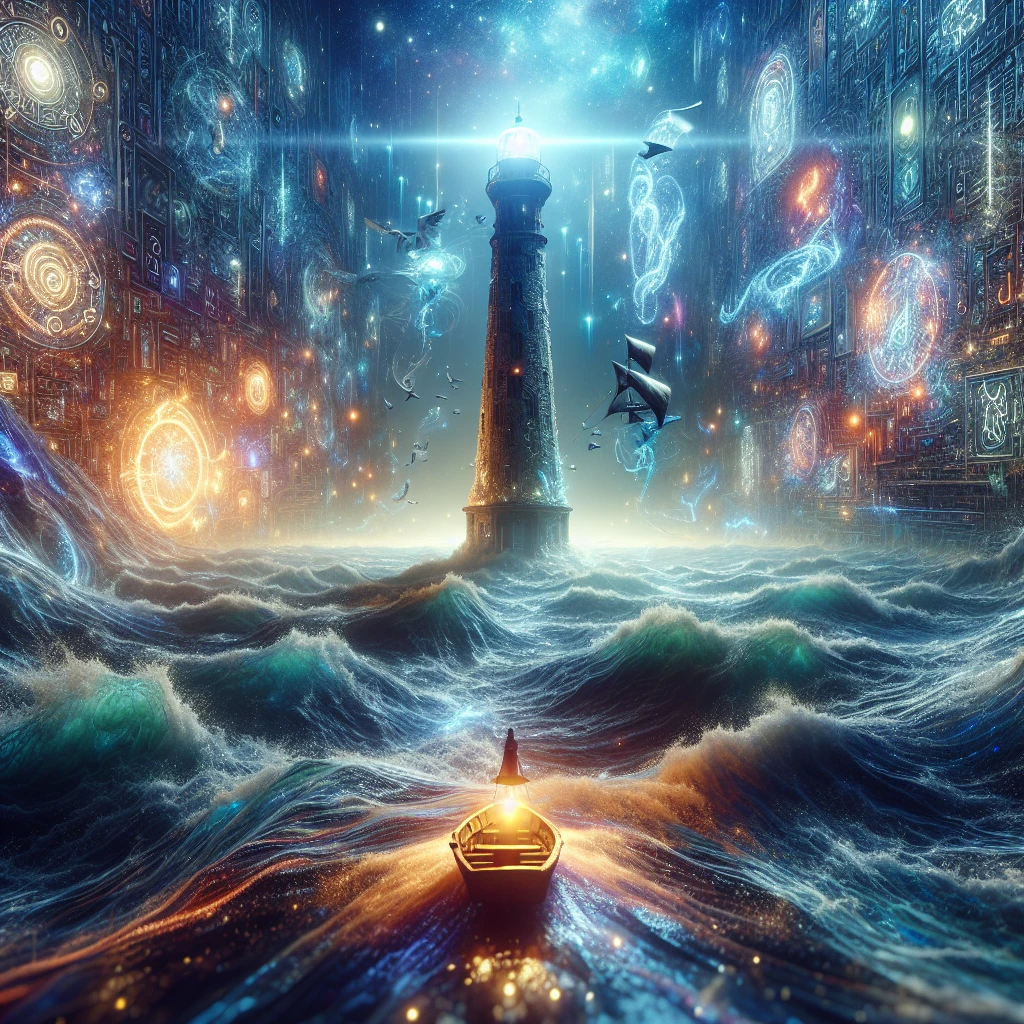
Finding Your Next Fix: Games Like Elden Ring
Are you staring at an empty screen wondering where to find games like Elden Ring after finishing your third playthrough? I totally get it. Just last week, my friend over in Kyiv spent an entire weekend scrolling through digital store pages, desperately searching for that exact same rush of stepping out into Limgrave for the very first time. We were texting back and forth, and he told me nothing else seemed to scratch that specific itch. He wanted the vast open spaces, the cryptic lore, and those massive, palm-sweating boss fights. It is a incredibly tough spot to be in as a gamer. You want the intense challenge, you want the massive build variety, and you absolutely crave the total freedom of exploration. The truth is, while nothing is an exact one-to-one replica of the Lands Between, there are some incredible experiences out there that capture that precise kind of magic.
We are going to break down exactly what makes these massive titles tick. From towering gothic castles to eerie futuristic landscapes, you have a ton of excellent options waiting for you. You just need to know exactly what gameplay elements you value the most. Is it the ruthless combat mechanics? The deep, stats-based RPG character building? Or maybe just the feeling of riding a steed across a bizarre, alien landscape? Let me break it down for you, friend-to-friend. The journey is far from over, and your next massive obsession is just a download away.
Understanding the core appeal of the genre is essential before spending your hard-earned cash on a brand new title. What exactly are we chasing here? We are looking for an intricate blend of punishing yet fair combat, breathtaking environmental design, and absolute player agency. When you play a true masterpiece in this genre, you aren’t just moving mindlessly from marker to marker on a cluttered minimap. You are genuinely exploring the unknown.
Let’s look at how the top contenders stack up against each other right now.
| Game Title | Open World Scale | Combat Pace & Style |
|---|---|---|
| Lies of P | Linear but highly intricate | Aggressive, precision parry-focused |
| Dragon’s Dogma 2 | Massive, totally unguided | Dynamic, party-based and chaotic |
| Hollow Knight | Massive 2D Metroidvania | Incredibly fast, precision platforming |
The value here is massive when you know what to pick. Take Bloodborne for instance. Even though it is an older title, it completely forces you to drop your shield and play aggressively, which totally changes how you approach enemy encounters. On the other hand, something like Lords of the Fallen offers a brilliant dual-world mechanic that essentially gives you two entire maps seamlessly layered on top of each other, constantly keeping you on your toes and forcing you to think spatially.
If you want a true spiritual successor to your favorite dark fantasy epic, you need to look for these fundamental pillars:
- Interconnected map design: The world absolutely must loop back on itself in surprising, clever ways that make you appreciate the level architecture.
- Stamina-based tactical combat: Mindless button mashing should strictly result in an immediate game over screen. Every swing needs to carry weight.
- Deep environmental storytelling: The lore should be hidden directly in the architecture, enemy placement, and item descriptions, rather than spoon-fed through endless, boring cutscenes.
These elements combine to create a genuine sense of dread and pure excitement. When you finally find a new bonfire or checkpoint after surviving a gauntlet of enemies, the physical relief is palpable. Every single encounter is a complex puzzle waiting to be solved. You learn the enemy attack patterns, you manage your healing resources meticulously, and you slowly conquer the seemingly impossible. That gameplay loop is highly addictive and incredibly rewarding.
Origins of the Action RPG Formula
To truly appreciate where we are going, we need to quickly look at where this whole genre actually started. Decades ago, action RPGs were fairly straightforward and forgiving. You swung a sword, numbers popped up, and you chugged potions whenever your health got low. Then, a small studio decided to release a quirky title called Demon’s Souls. It completely threw the traditional rulebook out the window. It aggressively refused to hold the player’s hand. If you died, you lost your hard-earned currency. It was brutal, and initially, mainstream critics did not know what to make of it. But players absolutely loved the sheer respect the game showed them. It trusted you to figure things out on your own.
Evolution to the Open World
As the years rolled on, the core formula became highly refined. We got beautifully interconnected worlds that functioned like giant, intricate clockwork puzzles. However, everything still remained somewhat linear. You had branching paths, sure, but you were generally moving forward through a set course dictated by the developers. The massive leap happened when creators decided to take that tight, perfectly balanced combat and drop it into a completely seamless open map. Instead of hitting a massive difficulty wall and getting stuck for days, players could simply turn their horse around, ride in the exact opposite direction, explore a creepy cave, level up, and come back significantly stronger. This incredible freedom completely revolutionized how we engage with video game difficulty.
Modern State of the Genre
Now that we are deep into 2026, the landscape of these massive RPGs has matured incredibly well. The gaming industry saw the massive financial and critical success of blending hardcore mechanics with vast exploration, and everyone naturally wanted a piece of the pie. We are seeing incredibly talented indie studios launching phenomenal 2D variations, while major AAA publishers are building massive sci-fi and fantasy epics using these exact same gameplay loops. The community has grown organically from a small niche group of hardcore enthusiasts to a massive, highly supportive global phenomenon.
The Psychology of Overcoming Difficulty
Have you ever wondered why your hands physically shake after beating a tough boss? It isn’t just basic excitement; it is hardcore brain chemistry at work. The main reason we constantly seek out titles with massive difficulty spikes boils down to how our brain manages its internal dopamine reward system. When you fail repeatedly at a task, your brain registers the pattern and automatically begins optimizing your reaction times and muscle memory. This is classic neuroplasticity in action. When you finally land that last critical hit on a boss, the sudden release of built-up tension results in a massive, overwhelming rush of dopamine. It is genuinely intoxicating. Masterful game designers know exactly how to manipulate this psychological loop. They deliberately engineer attacks that are slightly delayed to catch your panic rolls, strictly forcing you to stay calm, breathe, and react only to the actual strike.
Level Design Architecture and Spatial Awareness
The technical layout of these virtual worlds is just as crucial as the combat mechanics. Designers employ specific, highly researched architectural principles to subtly guide players without ever using glowing arrows or intrusive UI markers.
- The “Weenie” Concept: Borrowed straight from Disney theme park design, this technique involves placing massive, visually distinct landmarks in the far distance to naturally pull the player’s attention and organically guide their exploration.
- Risk-Reward Loops: Long corridors are mathematically mapped out to increase player anxiety by stretching the physical distance between save points, forcing players to manage their limited healing items with extreme prejudice.
- Intermittent Reinforcement: Loot drops and hidden passages are randomized just enough to keep the exploration feeling fresh and completely unpredictable, heavily borrowing from the psychology of how slot machines retain human attention.
- Spatial Pacing: Areas of extremely high visual noise and intense enemy density are deliberately followed by quiet, serene safe zones to allow the player’s central nervous system to fully reset.
By studying massive amounts of player telemetry data, studios now fine-tune these specific zones so the inherent frustration never completely outweighs the player’s natural curiosity. You keep pushing forward simply because the environment itself is a masterclass in psychological manipulation. That is exactly why you cannot put the controller down at 3 AM.
If you are finally ready to jump headfirst into a brand new universe, you need a highly solid transition plan. Jumping from one massive 100-hour epic straight into another can easily cause extreme gamer burnout. Here is a perfect 7-day schedule to get you hooked safely and effectively.
Day 1: Assessing Your Preferences
Spend your first evening figuring out what you actually miss the most from your previous adventure. Do you miss the grimdark lore? Look heavily into dark fantasy games. Do you miss the twitch-reaction parrying and speed? Look at samurai or fast-paced sci-fi action titles. Make a solid shortlist of three potential candidates.
Day 2: Downloading the Contenders and Setting Up
Pick your absolute winner and get it installing. Use this evening to fully optimize your gaming setup. Clean your controller, adjust your monitor’s contrast so those dark, scary dungeons look perfectly terrifying, and maybe grab some decent snacks. Mental preparation is totally key here.
Day 3: Mastering New Mechanics
Launch the game. Do not expect it to play exactly like what you are used to. Spend your first two hours strictly in the starting tutorial zone. Practice the new parry timing, figure out exactly how the stamina bar depletes, and get super comfortable with the unique dodge mechanics.
Day 4: Exploring the First Zones
Push out into the open world. Completely ignore the main objective for a while. Go poke around in the dark corners. Find the hidden merchants, accidentally stumble into an area way above your current level, get instantly destroyed, and just laugh about it. That is the true essence of the experience.
Day 5: Hitting the First Progression Wall
You will inevitably hit a massive boss that absolutely stomps you into the ground. Good. This is where the real game begins. Spend your evening strictly learning the attack patterns. Don’t even try to attack for the first few runs; just practice surviving for as long as mathematically possible.
Day 6: Engaging with the Community
Jump onto community forums or group chats. Share your current character builds, ask for non-spoiler hints regarding vague, confusing questlines, and watch a few clips of other people failing hilariously at the exact same spots you did. The community aspect is literally half the fun.
Day 7: Fully Committing to the Journey
By the end of the first week, the new mechanics will feel entirely like second nature. The lore will start making a tiny bit of sense, and you will be completely, hopelessly invested. Lock in, map out your long-term character build, and totally enjoy the next hundred hours of your gaming life.
It is completely normal to have a few reservations before starting a new hardcore adventure. People talk a lot of total nonsense online, so let’s quickly clear up some massive misconceptions right now.
Myth: You absolutely have to possess superhuman, professional-level reflexes to play these games.
Reality: While decent reflexes certainly help, patience, spacing, and basic pattern recognition are far more important. Most of the time, the game actively rewards strategic positioning way more than raw twitch reactions. Build variety also lets you easily use magic or heavy shields to mitigate damage entirely.
Myth: The stories are completely non-existent and you are forced to watch hours of YouTube video essays to understand anything.
Reality: The narrative is entirely present; it is just deliberately fragmented. If you pay attention to the gorgeous environments, actually read the items you pick up, and listen closely to the dialogue, you can absolutely piece together a brilliant, tragic story entirely on your own.
Myth: They are purely stressful rage-simulators and not actually fun to play.
Reality: The stress is carefully manufactured by the developers to make the eventual, hard-earned victory feel absolutely incredible. The immense relief and pure joy of finally clearing a tough area is a highly positive, exhilarating emotion that very few other media forms can ever replicate.
FAQ: Frequently Asked Questions
Are there good co-op games like this to play with friends?
Yes, many titles feature robust summon systems where you can easily invite friends to help clear difficult areas or take down specific bosses together.
Do I need to play previous games in a series to understand the story?
Usually, no. Most spiritual successors or modern franchise entries feature entirely standalone universes and fully self-contained lore.
How long does it usually take to beat one of these epics?
A standard, blind playthrough can range anywhere from 30 to well over 100 hours, depending heavily on exactly how much side exploration you choose to do.
Is using magic considered cheating by the hardcore community?
Not at all. Magic is a built-in, highly balanced mechanic deliberately designed to offer an alternative, ranged playstyle. Play exactly how you want to play.
What should I do if I get completely stuck and frustrated?
Take a break, sleep on it, or simply go explore a completely different area of the map to level up your character before returning with better gear.
Are the 2D versions just as difficult as the 3D ones?
Absolutely. 2D variants often require immense platforming precision and offer incredible, highly demanding boss fights that rival the biggest 3D blockbusters.
Can I pause the game if I need to step away?
Many traditional entries do not allow pausing to maintain peak tension, though some newer titles are starting to include accessibility features that let you safely freeze the action.
There you have it. Finding the absolute right adventure is all about knowing exactly what parts of the formula you genuinely love. Whether you want to master a massive ultra-greatsword, perfectly parry incoming attacks, or zip around a beautiful, interconnected map casting crazy spells, your next big obsession is out there waiting. Grab your favorite controller, load up one of these amazing recommendations, get connected with the community, and prepare to die—and triumph—all over again!
Leave a Reply