Designing the Ultimate Gamer Spot
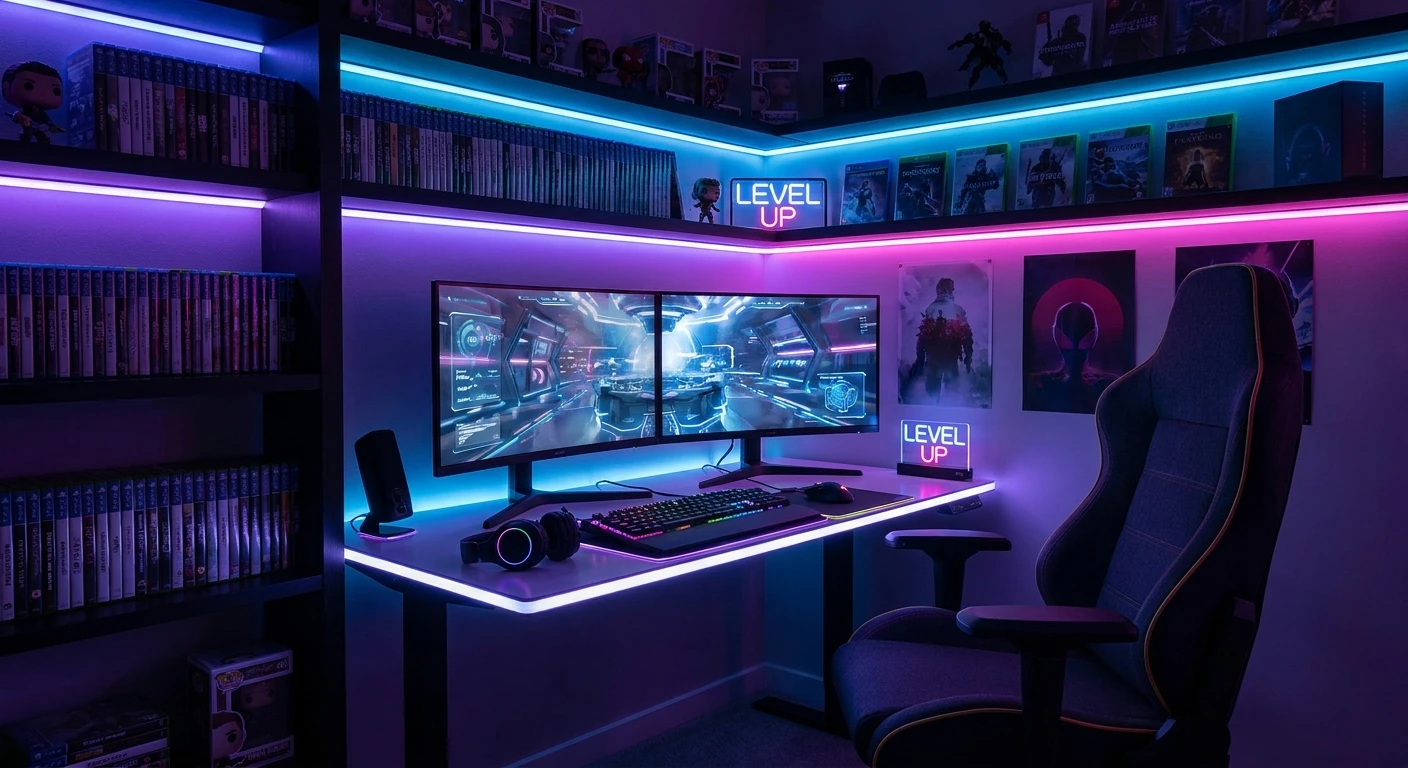
Whether you are designing a physical setup at home, visiting a retail hub, or customizing your digital stream overlay, establishing a high-quality Gamer Spot is essential for anyone serious about digital entertainment. A dedicated gaming environment acts as a specialized sanctuary designed to maximize focus, comfort, and performance. You know that feeling when you sit down at a perfectly arranged desk, the lighting is just right, and your hardware runs smoothly? That does not happen by accident. Building the ideal space requires a blend of ergonomic science, interior design, and strategic hardware placement. The concept has grown far beyond a simple desk in a bedroom corner; it is now a distinct lifestyle category. From specialized retail locations offering the latest technology to virtual communities sharing setup advice, the culture surrounding these dedicated spaces continues to expand rapidly. This guide provides a comprehensive breakdown of everything required to understand, build, and optimize your personal digital haven.
The Core Benefits of a Dedicated Setup
Creating a specialized zone for digital entertainment offers substantial benefits that go far beyond aesthetics. When you dedicate a specific area strictly for gameplay, you establish boundaries that help separate relaxation from daily stressors. The value proposition here relies heavily on three main pillars: physical health, psychological immersion, and community connection. First, investing in a proper setup significantly reduces physical fatigue. Sitting in poorly designed chairs with monitors placed at incorrect angles leads to long-term spinal issues and repetitive strain injuries. Second, a cohesive aesthetic improves your mood and mental clarity. Incorporating specialized decor, such as Gamer’s Spot pocket design throw pillows, adds comfort while reinforcing the room’s thematic identity. Third, an optimized space allows you to engage with the community more effectively, whether you are hosting multiplayer sessions or streaming content online. Consider the tangible advantages outlined in the table below to understand where to focus your resources.
Read also: Silent Hill 2 Xbox: The Ultimate Console Experience; The Best Multiplayer Games PS5 Players Must Try.
| Setup Component | Priority Level | Primary Benefit |
|---|---|---|
| Ergonomic Seating | Critical | Prevents long-term spinal damage, supports lumbar region, and reduces physical fatigue. |
| Acoustic Treatment | Moderate | Improves audio clarity, reduces room echo, and prevents sound leakage. |
| Ambient Lighting | High | Reduces eye strain during extended sessions by balancing monitor brightness with room darkness. |
To successfully establish your ideal environment, you need a structured approach. Haphazardly buying gear will only result in a cluttered, inefficient room. Follow these essential steps to define your space correctly:
- Spatial Planning: Measure your room to ensure sufficient clearance for your desk, chair movement, and hardware ventilation.
- Ergonomic Foundations: Prioritize purchasing a highly adjustable chair and a desk that sits at the correct height for your posture.
- Lighting and Ambiance: Implement layered lighting, utilizing natural light during the day and controlled LED bias lighting at night.
- Hardware Integration: Route all cables cleanly to prevent dust accumulation and ensure your PC or console receives adequate airflow.
The History and Evolution of Gaming Spaces
Origins of the Gaming Space
The concept of a dedicated space for electronic entertainment dates back to the crowded, noisy arcades of the 1980s. In those early days, players gathered in dimly lit commercial buildings filled with heavy, coin-operated cabinets. The environment was highly social but entirely public. As technology advanced and home consoles became mainstream in the 1990s, the action moved from the arcade into the living room. However, early home setups were rarely optimized. Consoles were simply plugged into family televisions, and players sat on standard couches or directly on the floor. It was not until the rise of competitive PC gaming and widespread internet access that players began demanding specialized, private environments tailored specifically to their needs.
Evolution of Retail and Community Hubs
As the culture matured, retail environments had to adapt. Traditional electronics stores gave way to specialized retail hubs designed to cater exclusively to this demographic. These locations transformed from simple points of sale into community centers where enthusiasts could gather, discuss the industry, and test new hardware. For instance, players looking for the latest consoles and titles often seek out dedicated physical locations, such as the Gamer Spot store in Gurabo, which provides immediate access to specialized inventory and local networking. These retail environments serve as the physical backbone of the community, allowing individuals to physically interact with the products that will eventually populate their private setups at home.
The Modern State of Gaming Culture
Today, the culture has seamlessly blended physical setups with digital presences. Your physical room is often broadcast to the world via streaming platforms, making interior design and digital branding equally important. Content creators go to great lengths to establish unique visual identities. This includes everything from the physical LED lights on their walls to the digital assets on their screens. Streamers frequently test unique typography, such as the Gamer Spot testing font, to ensure their overlays look professional and distinct. The modern era is defined by this synthesis of physical comfort and digital broadcasting, supported by an endless stream of advice and entertainment from creators, such as the comprehensive discussions found on the UD Gamer Spot YouTube channel.
The Scientific Mechanics of a Perfect Environment
The Ergonomic Science of Gaming Environments
Building a top-tier setup is not just about buying expensive peripherals; it requires a deep understanding of human biomechanics. Ergonomics is the science of designing the workplace to fit the user. When you sit for prolonged periods, gravity exerts immense pressure on your lumbar spine. A chair with adequate lumbar support maintains the natural inward curve of your lower back, preventing the muscles from overworking. Furthermore, the height of your monitor dictates the angle of your cervical spine. If your screen is too low, you develop a forward-head posture that causes neck strain and tension headaches. Proper ergonomic design ensures that your joints remain in a neutral position, allowing for maximum blood flow and minimal nerve compression.
Audiovisual Processing in Dedicated Spaces
The way your brain processes light and sound dramatically impacts your reaction times and overall endurance. Staring at a bright monitor in a pitch-black room forces your pupils to rapidly adjust between extremes, leading to severe ocular fatigue. Implementing bias lighting behind the monitor raises the ambient light levels of the room without causing glare on the screen, stabilizing your pupillary response. Additionally, room acoustics play a massive role in spatial awareness. Hard, flat surfaces like drywall and glass cause sound waves to bounce, creating a muddy acoustic environment. Adding soft materials absorbs these reflections, allowing for precise directional audio processing.
- Visual Acuity: Proper monitor calibration and bias lighting prevent digital eye strain and maintain focus over long hours.
- Acoustic Physics: Sound waves bounce off hard surfaces; strategically placing acoustic panels improves the clarity of footstep audio in competitive matches.
- Thermal Dynamics: High-end hardware generates substantial heat; ensuring clear intake and exhaust paths prevents thermal throttling.
- Cognitive Load: A visually chaotic, cluttered physical environment subtly increases mental fatigue, whereas a clean space enhances concentration.
The 7-Day Plan to Build Your Sanctuary
Day 1: Assessing Space and Environment
The first step is conducting a thorough audit of your available space. Measure the square footage, note the location of electrical outlets, and evaluate the natural light sources. You need to know exactly how much room you have before purchasing any furniture. Avoid placing your desk directly opposite a window to prevent screen glare. Map out a rough floor plan on paper.
Day 2: Selecting Ergonomic Foundations
Your desk and chair are the most critical components of your setup. Dedicate this day to researching and acquiring a desk with sufficient depth (at least 30 inches) to maintain a healthy viewing distance from your monitors. Invest heavily in an ergonomic chair with adjustable armrests, seat depth, and lumbar support. Do not compromise on these foundational pieces.
Day 3: Cable Management and Power Solutions
Before bringing in the heavy hardware, establish a robust power delivery system. Mount high-quality surge protectors to the underside of your desk. Install cable routing trays and gather a supply of velcro ties. Proper cable management is much easier to implement when the desk is empty, ensuring a clean aesthetic and safer environment.
Day 4: Integrating Core Hardware Components
Carefully unbox and position your primary hardware. Place your PC tower on a hard surface or a dedicated stand to prevent the power supply from suffocating on carpet fibers. Position your monitors on articulating arms to free up desk space and allow for precise height adjustments. Ensure your console or PC has plenty of breathing room for exhaust.
Day 5: Lighting and Visual Configuration
Install your bias lighting behind the monitors and set up any ambient room lighting. Ensure the color temperature of your room lights complements your screen settings. This is also the time to fine-tune your monitor settings, adjusting contrast, brightness, and refresh rates for optimal visual performance.
Day 6: Aesthetic Personalization and Branding
Now that the technical foundation is solid, inject your personality into the space. Add framed posters, floating shelves for collectibles, and specialized seating cushions. If you are a streamer, this is when you set up your digital branding, incorporating custom graphics and testing resources to ensure your online broadcast matches your room’s vibe.
Day 7: Testing, Calibration, and Launch
Spend the final day stress-testing the environment. Sit in the chair for a few hours and adjust the monitor height if your neck feels strained. Test your microphone to ensure the room acoustics are not causing unwanted echoes. You might even want to listen to interviews on the Pro Gamer’s Guide Podcast to pick up final tips from industry professionals on workflow optimization before finalizing everything.
Separating Setup Myths from Reality
Myth: You need thousands of dollars to create a worthwhile dedicated space.
Reality: Strategic organization, cleanliness, and basic ergonomics provide the most significant benefits, regardless of your budget. A clean desk and a well-adjusted standard chair outperform an expensive, cluttered setup.
Myth: RGB lighting is purely decorative and serves no functional purpose.
Reality: While heavily stylized, installing LED lights behind your monitor acts as bias lighting, which scientifically reduces eye strain during extended nighttime sessions by softening the contrast between the bright screen and the dark room.
Myth: Cable management is only important if you are streaming and showing your room on camera.
Reality: Loose cables on the floor act as dust traps, making the room harder to clean and increasing the risk of thermal issues for your hardware. Proper routing is essential for maintenance.
Myth: Any large TV or monitor works fine for an immersive experience.
Reality: Screen size must correlate with viewing distance. Sitting too close to a massive screen forces you to turn your head constantly, leading to neck pain and poor peripheral tracking.
Frequently Asked Questions & Final Thoughts
How large should my space be?
Even a compact 4×4 foot desk corner works perfectly, provided you prioritize vertical organization with monitor arms and shelving. Efficient use of space matters more than raw square footage.
Can I use standard office furniture?
Absolutely. High-end ergonomic office chairs are often superior to heavily branded racing-style seats because they prioritize breathability and adjustable lumbar support over aggressive styling.
Where can I source reliable hardware locally?
Seeking out specialized retail shops allows you to inspect products physically. Dedicated hubs provide expert advice and reliable inventory tailored to community needs.
What is the ideal monitor viewing distance?
Generally, your monitor should be roughly an arm’s length away. The top bezel of the screen should sit precisely at or slightly below your natural eye level to maintain neutral neck posture.
Are themed decor items actually useful?
Yes. Items like specialized pillows or soft wall hangings not only personalize the area but also act as minor sound dampeners that subtly improve room acoustics.
How important is digital branding for my setup?
If you plan to broadcast or record content, cohesive digital branding—such as custom fonts and matched overlay colors—is just as crucial as physical room aesthetics for viewer retention.
Does room temperature affect hardware performance?
Significantly. Ambient room temperatures above 80 degrees Fahrenheit (26 degrees Celsius) can force your PC or console fans to run at maximum speeds, causing thermal throttling and excessive noise.
Conclusion
Building the ultimate Gamer Spot is a highly rewarding endeavor that transforms how you interact with digital media. By treating your setup as a unified ecosystem—balancing ergonomic health, acoustic science, visual appeal, and high-performance hardware—you create an environment that elevates every session. Take the time to assess your current setup, implement the structural upgrades discussed here, and watch your comfort and focus reach entirely new levels.



Leave a Reply