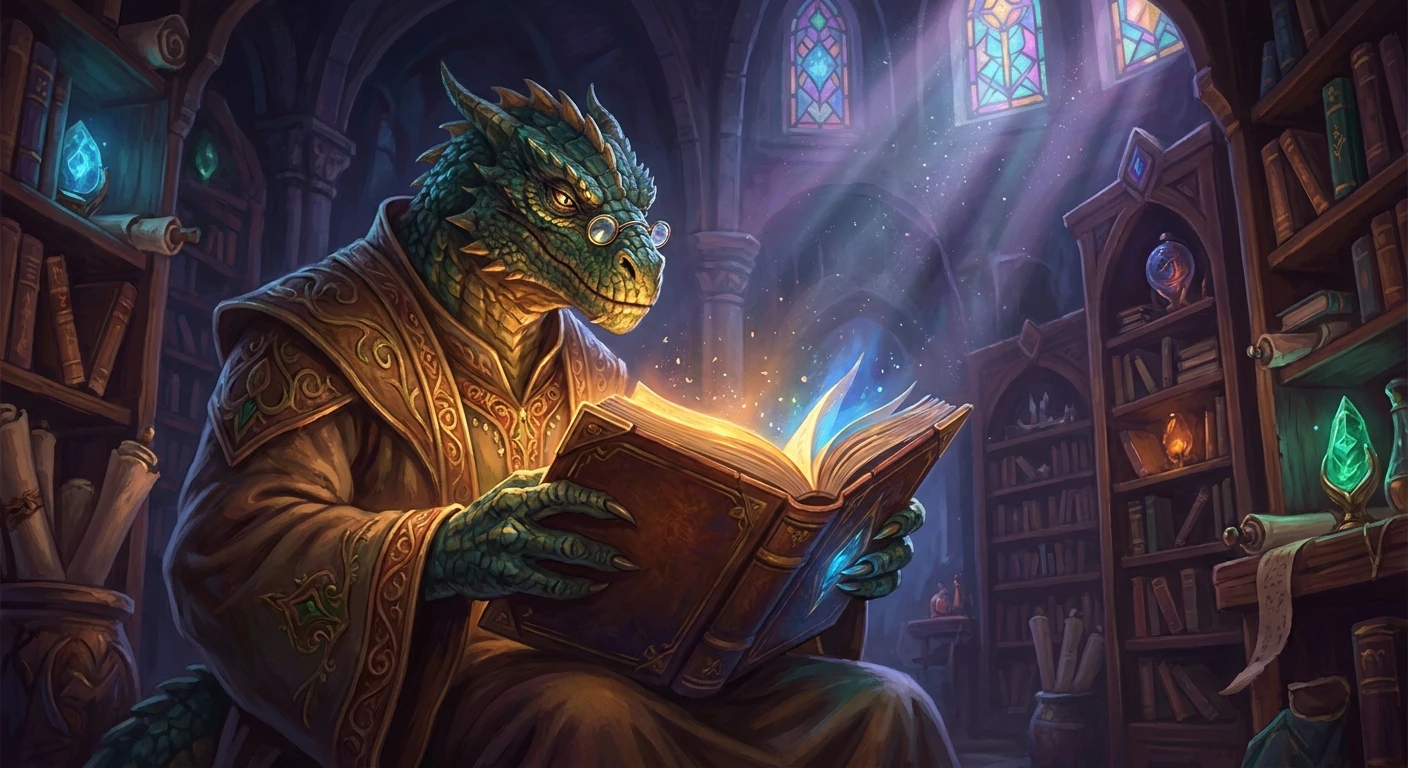
Why Your Next Playthrough Needs a BG3 Dragonborn
Look, I am just going to say it right now: creating a bg3 dragonborn character is the absolute peak of fantasy roleplaying. When you load up the character creator for the first time, the sheer majesty of those scales immediately grabs your attention. My personal obsession with this race started back in Kyiv during some intense winter evenings. Our local community was heavily reliant on unpredictable rolling blackouts, and I spent hours huddled around a glowing laptop screen, tweaking every single horn, scale, and eye slider on my newly minted reptilian Paladin. There was something uniquely comforting about bringing this towering, ancient warrior to life while sipping hot tea in a cold, dark apartment relying entirely on a power bank.
This specific setup is not just about aesthetics, though. Choosing this lineage requires a solid understanding of how their ancestral resistances and elemental breath weapons synergize with various class mechanics. You get unparalleled customization that dictates how the entire continent of Faerûn interacts with you. Choosing these scaly giants means stepping into a legacy of pride, clan loyalty, and elemental fury. I am here to walk you through exactly why you need to roll one, how to optimize the build from the ground up, and what makes them the most compelling choice for your party configuration. Whether you want to intimidate your way through goblin camps or stand as an unyielding shield against hellish flames, this guide has you covered.
Read also: Build Guide: Sword of Night and Flame; Ultimate Guide to Rogue Trader Companions.
Core Mechanics: Mastering the Draconic Ancestry
Picking your ancestry is much more than a simple color palette swap. It fundamentally changes your survival odds against specific environmental hazards and enemy spells. Let me break down exactly why picking this scaly powerhouse is a massive advantage for your party composition. When you select your subrace, you are granted two main mechanical benefits: a passive resistance to a specific elemental damage type, and an active breath weapon that matches that same element. These elements dictate your entire battlefield strategy.
Think about the value proposition here. Example one: selecting a Gold or Red ancestry gives you permanent fire resistance. When you are navigating the infernal fires of Avernus or fighting explosive traps in the goblin camp, your character simply shrugs off half the damage without expending any spell slots or potions. Example two: choosing a Black or Copper ancestry provides acid resistance and an acid breath weapon. This is incredibly useful for hitting multiple enemies lined up in a narrow dungeon hallway, forcing them to take damage and clearing the path for your rogue.
Here is a quick reference table to help you decide which lineage suits your upcoming adventure:
| Ancestry Type | Damage Resistance | Breath Weapon Shape |
|---|---|---|
| Gold / Red / Brass | Fire Resistance | 15-foot Cone / 30-foot Line |
| Silver / White | Cold Resistance | 15-foot Cone |
| Black / Copper | Acid Resistance | 30-foot Line |
| Blue / Bronze | Lightning Resistance | 30-foot Line |
| Green | Poison Resistance | 15-foot Cone |
To maximize these racial benefits, you need to pair them with classes that amplify their natural strengths. Here are the top three class synergies to consider:
- The Paladin Powerhouse: Combining heavy armor, martial weapons, and massive burst damage via Divine Smite makes you a terrifying frontline presence. Your elemental resistance keeps you alive longer in the thick of melee combat.
- The Draconic Sorcerer: If you match your character’s ancestry with your Draconic Bloodline subclass, you gain incredible thematic flavor. Later levels allow you to add your Charisma modifier to spells of that element, making your fireballs or lightning bolts hit like a truck.
- The Eldritch Knight Frontliner: Fighters already get plenty of attacks and high health. Adding defensive spells like Shield and an area-of-effect breath weapon gives you unparalleled versatility when you get surrounded by weaker enemies.
The Rich Lore Behind the Scales
You cannot fully appreciate these characters without understanding where they come from. Their history is easily one of the most fascinating aspects of the forgotten realms universe.
Origins of the Species
Unlike elves, dwarves, or humans, these reptilian humanoids did not originate on the primary world of Toril. They actually hail from the twin world of Abeir, a chaotic planet ruled by primordial dragons. On Abeir, they were created to serve as soldiers, servants, and slaves to their massive dragon overlords. This brutal history forged a culture built entirely around clan loyalty, self-reliance, and a deep-seated distrust of actual dragons and gods alike. Honor is their absolute highest currency, and a broken promise is considered a fate worse than death.
Evolution Through Editions
If you have been playing tabletop games for a while, you know they were not always a core option. They officially made their grand entrance as a core player race in the 4th Edition of Dungeons & Dragons, bringing a much-needed monstrous aesthetic to the heroic lineup. By the time the 5th Edition rolled around, their mechanics were streamlined, tying their breath weapons and resistances directly to the classic chromatic and metallic dragon types. The developers over at Larian Studios took these 5e rules and painstakingly adapted them into the digital realm, ensuring every scale and roar felt authentic to the tabletop experience.
Modern State in Faerûn
After a cataclysmic magical event known as the Spellplague ripped the fabric of reality apart, a massive chunk of their homeland was teleported directly into Faerûn, creating the nation of Tymanther. Even now in 2026, the ongoing lore of the Forgotten Realms treats them as relatively new and exotic arrivals. When you walk through the streets of Baldur’s Gate, NPCs react to your towering presence. You are an outsider, a proud warrior from a displaced nation, and the game constantly reminds you of this unique heritage through specific dialogue options that highlight your rigid code of honor.
Under the Hood: Technical Mechanics
Understanding the lore is great, but surviving Tactician mode requires a firm grasp of the underlying mathematics. Let me explain the technical mechanics of your racial abilities so you know exactly how to scale them into the late game.
Breath Weapon Mathematics
Your breath weapon is not a spell; it is a racial action. This means it does not require verbal or somatic components, and it cannot be counterspelled by enemy mages. The damage scales as you level up, starting at 2d6 at level one, moving to 3d6 at level six, and 4d6 at level eleven. The saving throw difficulty class (DC) that enemies must beat to take half damage is calculated using the following formula: 8 + your Constitution modifier + your Proficiency bonus. This means if you want your breath weapon to be reliable, you need to keep your Constitution score relatively high.
Resistance Interactions
Damage resistance in this system is incredibly straightforward but mechanically powerful. If you have fire resistance from your Gold ancestry, any incoming fire damage you take is mathematically halved, rounded down. This applies after saving throws. So, if an enemy wizard throws a Fireball at you for 30 damage, and you successfully roll your Dexterity save, the damage drops to 15. Your racial resistance then halves that 15 down to 7. You just turned a massive explosion into a minor scratch.
- Base movement speed is strictly locked at 9 meters per turn, the standard for medium creatures.
- Darkvision is entirely absent from their base racial traits, meaning you will need torches or light spells in dungeons.
- Breath weapon saving throws scale directly with your Constitution modifier, not your primary casting stat.
- Damage resistance applies a flat 50% reduction to the incoming elemental type, rounding down.
- They do not possess a natural armor bonus; your armor class depends entirely on your equipped gear and Dexterity.
Your Step-by-Step Character Creation Plan
Ready to roll your own? Follow this strict 7-step plan to ensure you build a mechanically viable and narratively compelling character right from the tutorial ship.
Step 1: Selecting the Right Subrace
Start by determining what environment you expect to struggle in. If you hate dealing with poison traps, grab Green. If you want a cone of fire for maximum area damage, choose Red, Gold, or Brass. Your choice here sets the elemental theme for your entire playthrough.
Step 2: Choosing a Complementary Class
Select a class that benefits from high survivability and burst damage. Paladin, Sorcerer, and Fighter are the premium choices here. If you choose Paladin, you get heavy armor to compensate for your lack of natural defenses. If you choose Sorcerer, match your draconic bloodline to your racial ancestry for maximum synergy.
Step 3: Allocating Ability Scores
You need a solid foundation. Put your highest score (usually 16 or 17) into your primary attacking stat—Strength for melee, Charisma for spellcasters. Make sure your Constitution is at least 14 or 16. This boosts your health pool and ensures your breath weapon DC remains competitive against nimble enemies.
Step 4: Picking Backgrounds and Skills
Since your race leans heavily into clan loyalty and honor, backgrounds like Soldier or Noble fit perfectly. Grab skills like Intimidation or Athletics. Your sheer size makes you a natural bully in dialogue checks, and having proficiency in Intimidation means you can often roar your way out of a fight before it even begins.
Step 5: Customizing Appearance and Horns
Spend time in the character creator. Larian provided an absurd amount of customization. Pick a horn style that reflects your class—jagged, broken horns for a battle-hardened Fighter, or elegant, swept-back crests for a Charisma-based Sorcerer. Adjust your scale pigmentation to make your elemental nature visually obvious.
Step 6: Early Game Strategy and Positioning
During the first five levels, your breath weapon is a massive asset. Position yourself carefully in combat to line up as many goblins or cultists as possible. Use your breath weapon to clear out groups of low-health minions, saving your actual class spell slots and abilities for the stronger boss enemies.
Step 7: Mid-to-Late Game Scaling
As you progress towards the level 12 cap, your breath weapon becomes less of a primary damage source and more of a utility tool for finishing off enemies with one or two hit points. Rely entirely on your elemental resistance to survive late-game boss fights, many of which spam massive area-of-effect elemental spells.
Debunking Common Misconceptions
There is a lot of misinformation floating around the community regarding this specific race. Let me clear up the facts.
Myth: The breath weapon scales terribly and becomes useless after level five.
Reality: While it does not out-damage a dedicated spell like Fireball, it remains a fantastic, resource-free way to finish off multiple heavily wounded enemies without burning a precious spell slot.
Myth: They are only good as Paladins or melee fighters.
Reality: They make incredible spellcasters. A Bronze ancestry Tempest Cleric or a Red ancestry Draconic Sorcerer can dominate the battlefield using massive elemental synergies.
Myth: No Darkvision makes them completely unplayable in the Underdark.
Reality: The game provides dozens of ways to bypass this. Cast the Light cantrip on your weapon, drink a potion of Darkvision, or equip a ring that grants the ability. It is a minor inconvenience, not a dealbreaker.
Myth: NPCs react poorly to them, locking you out of quests.
Reality: While some NPCs express surprise or fear, you are never locked out of content. In fact, their unique dialogue tags often provide alternate, intimidation-based solutions to quests.
Frequently Asked Questions
Do they have tails?
By default in classic D&D lore, they actually do not have tails. However, Larian generously included a toggle in the character creator, allowing you to give your character a massive, armored tail if you prefer that aesthetic.
Can I romance companions as a Dragonborn?
Absolutely. Every single romance option in the game is fully available to you. The cinematic camera dynamically adjusts for your massive height during dialogue and romance scenes.
Is there a canonical Dark Urge race?
Yes. The default, canonical appearance for the Dark Urge origin character is a White ancestry storm sorcerer named Durge. Playing the Dark Urge as this specific setup feels incredibly cohesive with the main narrative.
Which breath weapon is strongest?
Fire and Acid are generally considered the most universally useful due to the sheer number of early-game enemies weak to them, and the frequency of fire damage you will face.
Do they get unique dialogue?
They receive numerous unique dialogue choices labeled with their race. These usually revolve around themes of clan honor, draconic pride, and martial superiority.
Can they use disguise self effectively?
Yes. Despite their massive size and scales, magic works exactly the same. You can cast Disguise Self to turn into a halfling or an elf whenever you need to sneak into a restricted area.
Are they good for stealth?
Mechanically, they are just as good at stealth as humans or elves, provided you have a high Dexterity score and proficiency in the Stealth skill. Their size does not impose a mathematical penalty.
Wrapping it all up, playing a bg3 dragonborn offers a wildly unique visual flair matched with potent defensive mechanics that can carry you through the toughest encounters. Keep your clan’s honor intact, choose your elemental ancestry wisely, and dominate the battlefield. Grab your dice, load up your save file, and start your epic journey through Faerûn today!



Leave a Reply