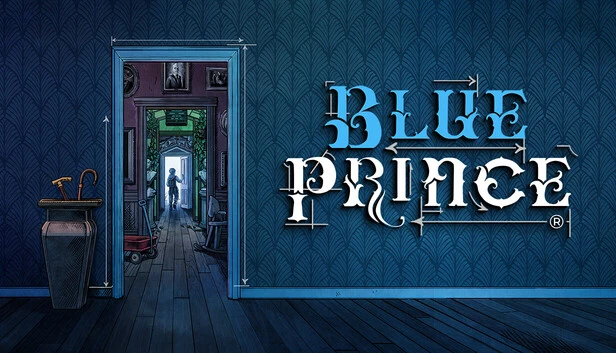
The Ever-Changing Maze of Mt. Hebron: A Survival Guide
So, you’ve finally stepped into the foyer of Mt. Hebron. Honestly, the first time I did, I thought it was just going to be another “find the key, open the door” kind of deal. But Blue Prince doesn’t play by those rules. It’s a bit of a head trip, isn’t it? Every time you go to sleep, the whole place resets, and you’re left staring at a blank blueprint again. It’s frustrating, sure, but also kind of addictive once you get the hang of the rhythm.
The thing about this manor is that it’s not just a house; it’s a puzzle that breathes. You aren’t just exploring; you’re literally drafting the world around you. If you pick a kitchen next to a library, that’s where they stay-until your stamina runs out and the day ends. And trust me, managing that stamina is probably more important than finding any fancy item.
Building Your Map Without Losing Your Mind
When you’re standing in a room and looking at those potential doorways, it’s tempting to just pick the coolest-sounding room. “Oh, an Observatory! Let’s go there!” But hold on a second. If you don’t think about the layout, you’ll end up boxing yourself into a corner with nowhere to go. I’ve done it plenty of times. You want to create a flow. Think of it like organizing a messy basement-you need paths, or you’re going to get stuck.
The strategy that actually works is keeping your high-value rooms close to the central hubs. You don’t want to trek across ten empty hallways just to get back to a room that actually has a puzzle you need to solve. It’s all about efficiency. And let’s be real, who has the energy to walk that much in a haunted, shifting mansion?
Stamina and Items: The Bread and Butter
Let’s talk about the items. You’ll find all sorts of weird stuff-old coins, tools, weirdly specific notes. Some of it feels like junk, but in a game like this, even a paperclip might be the thing that saves your run. The table below breaks down the basics of what you’ll be dealing with most often.
| Item Category | Common Use | Value Level |
|---|---|---|
| Key Items | Unlocking specific story gates or puzzles | Critical |
| Consumables | Restoring stamina or temporary buffs | High |
| Lore Bits | Notes and recordings explaining the manor | Medium |
| Tools | Interacting with the environment (e.g., flashlights) | Essential |
You really need to watch that stamina bar. Every door you add to the map and every room you enter takes a little bit out of you. Once you’re empty, the day is over. Period. It’s a bit like trying to finish a weekend project on a Sunday night when you’ve had too much coffee but not enough sleep. You’ve got to prioritize. Do you solve the riddle now, or do you use your last bit of energy to scout one more room?
The Art of the Room Choice
Every time you open a door, the game gives you a few options for what that room could be. This is where the “roguelike” part of the game really kicks in. Sometimes you get lucky and get a room full of loot. Other times? It’s just a dusty closet.
- Always look for rooms with “Events.” These are usually where the meat of the story is.
- Prioritize rooms that offer stamina recovery if you’re running low. It sounds obvious, but it’s easy to forget when you see a shiny new puzzle.
- Try to keep a mental note of which rooms you’ve already seen. The manor likes to repeat themes, but the puzzles within them change.
The logic of the house is weird, but it follows its own internal consistency. If you find a room that feels “off,” it probably is. Pay attention to the sounds, too. Sometimes a hum or a click in the walls tells you more than the visual cues ever could.
A Deep Dive into the Mystery
Why are we even here? Mt. Hebron is full of secrets about the Simon family and this mysterious “Blue Prince.” To be honest, the story is told in such a fragmented way that you really have to be a bit of a detective. You’re not just looking for a way out; you’re looking for the “why.”
Is the house alive? Is it a dream? The game keeps you guessing. I found myself obsessing over the smallest details-a painting that looked slightly different, or a recording that mentioned a name I’d seen on a dusty ledger three runs ago. That’s the magic of it. It’s a slow burn, but when the pieces start clicking together, it feels great.
Technical Specs and Performance
Since we’re all probably playing this on different rigs, it’s worth noting that Blue Prince is surprisingly well-optimized. You don’t need a supercomputer to run it, but you do want a decent frame rate to appreciate the atmosphere. The lighting is a huge part of the experience. The way the shadows stretch across the shifting walls really adds to that “something is watching me” vibe.
| Setting | Recommendation | Impact on Gameplay |
|---|---|---|
| Resolution | Native (1080p or 1440p) | Important for reading small text on notes |
| Lighting/Shadows | High | Crucial for atmospheric tension |
| Audio | Headphones On | Helps locate hidden cues and traps |
Don’t skimp on the audio. Seriously. Use a good pair of headphones. The sound design is top-notch, and it’s actually functional. You can often hear things moving behind doors before you even choose which room to place there. It’s spooky, but helpful.
Navigating the Shifting Layouts
One of the biggest hurdles is the “Drafting Phase.” This is where you decide the layout of the manor for that day. It’s easy to get overwhelmed by the options. My advice? Don’t try to make it perfect. You’re going to fail. You’re going to run out of stamina. You’re going to get a bad hand of rooms. It’s part of the game.
- Start by building a “spine”-a straight line of rooms that lead toward your main objective.
- Use branches for exploration only if you have extra stamina to burn.
- Keep your exit strategy in mind. If you find something vital, you need to make sure you can actually use it before the day ends.
The manor feels like a living thing that’s trying to outsmart you. Sometimes it feels like the game knows exactly what room you need and purposefully hides it from you. But that’s just the RNG (random number generation) messing with your head. Or is it?
Solving the Logic Puzzles
The puzzles in Blue Prince aren’t just your standard “pull lever A to open door B.” They often require a bit of lateral thinking. You might need to cross-reference a date from a letter with a code on a safe, or observe the arrangement of objects in a room to figure out a sequence.
It’s the kind of game where carrying a physical notebook (or a notes app) is actually a good idea. There’s a lot of information to keep track of, and because the manor resets, you can’t always just walk back and check something. “Wait, was the code 4-2-9 or 4-9-2?” Save yourself the headache and just write it down.
The Emotional Weight of Mt. Hebron
There’s a certain loneliness to the game that I really dig. You’re in this massive, opulent place, but it’s empty-mostly. The “emotional warmth” the user asked for? It comes from the small human moments you find in the lore. A letter from a concerned brother, a child’s drawing, a recording of a dinner party that happened decades ago. These moments ground the supernatural weirdness in something real.
It makes you wonder about the people who lived here before the house started acting up. Were they trapped too? Or did they build this place as a sanctuary? These questions kept me pushing through even when I had a particularly brutal run where I lost all my progress.
Common Mistakes to Avoid
We’ve all been there-making a move that seemed smart at the time but ended up ruining everything. Here are a few things I’ve learned the hard way so you don’t have to:
- Ignoring Stamina: I can’t say it enough. If you’re at 10% stamina, stop exploring and start finishing what you started.
- Over-complicating the Map: A messy map is a death sentence. Keep it clean, keep it simple.
- Hoarding Consumables: Use those items! There’s no point in saving a stamina drink for “later” if “later” never comes because you passed out in a hallway.
- Rushing through Text: The clues are in the writing. If you skip the notes, you’re going to get stuck on the puzzles.
Honestly, the best way to learn is to just dive in and make mistakes. Every “failed” day teaches you something about how the house works. You’ll start to recognize patterns in the room layouts and get a feel for which puzzles are worth the effort.
Looking Toward the Ending
Without giving anything away, the way the game wraps up its various threads is pretty satisfying. It doesn’t hand you everything on a silver platter, though. You have to earn it. The “Blue Prince” mystery has layers, and just when you think you’ve figured it out, the game throws another curveball.
Is it a masterpiece? Well, it’s certainly one of the most unique puzzle games I’ve played in a long time. It captures that feeling of being a kid and exploring an old, creaky house, but with the added tension of a high-stakes strategy game. It’s a weird mix, but it works.
How do you stay focused? I find that taking breaks actually helps. If a puzzle is making your brain hurt, step away, grab a coffee, and come back. Often, the solution hits you when you aren’t even looking at the screen.
The Role of Luck vs. Skill
There’s a lot of debate about how much of Blue Prince is just luck. Sure, getting a “Library” when you desperately need a book is lucky. But knowing how to position that library and how to manage your resources to get there-that’s skill. It’s a bit like poker. You can’t control the cards you’re dealt, but you can control how you play the hand.
The more you play, the less the “luck” factor matters. You’ll develop strategies for even the worst layouts. You’ll learn which rooms are likely to contain certain items and how to bait the game into giving you what you need. It’s a meta-game that happens entirely in your head.
How do you feel about the reset mechanic? Some people hate it, but I think it’s what gives the game its stakes. If you could just save and load whenever you wanted, the tension would vanish. Knowing that you only have one shot to make a run count makes every decision feel heavy.
How many rooms have you discovered so far? Every new room type feels like a small victory. It adds a new tool to your kit and a new piece to the puzzle. Keep at it, and eventually, the mystery of Mt. Hebron won’t seem so daunting.
How about the “Blue Prince” himself? Is he a villain, a ghost, or something else entirely? That’s the question that will keep you up at night. But hey, that’s half the fun, right?
Is there a right way to play? Not really. Some people like to play it safe, while others go for high-risk, high-reward strategies. Find what works for you and lean into it. Just don’t forget to enjoy the scenery while you’re at it-even if the scenery is trying to swallow you whole.
The game is a journey, not a destination. Even when you finish it, you might find yourself wanting to go back and try a different approach. That’s the sign of a truly great design. It stays with you.
Can you hear that? The house is shifting again. Time to get back to work.
How often do you find yourself thinking about the manor when you’re not playing? For me, it was constant. I’d be doing the dishes and suddenly realize why that one clock puzzle didn’t work. It’s that kind of game.
Frequently Asked Questions
Can I save my progress mid-day?
Nope, you have to finish the day (use up your stamina) before the game saves your world progress. It’s all or nothing, so make it count.
What happens if I run out of stamina in a room?
The day ends immediately. You’ll wake up the next morning, and the manor layout will be completely reset. You keep your key items, but the map is gone.
Is the layout truly random?
Mostly, yes. The rooms you are offered are random, but the more you play, the more you’ll see certain patterns and requirements for specific story-driven rooms.
Do I need to be good at math for the puzzles?
Not really, but you do need good logic and observation skills. Most puzzles are about finding patterns or connecting clues from notes you’ve found.
What are the best items to look for?
Stamina-restoring items are your best friends. After that, look for tools like the flashlight or keys that open up new areas of the manor.
Is there a time limit?
There’s no “real-time” limit, so you can take as long as you want to think. The only limit is your stamina, which acts as a “turn-based” timer.
Can I get soft-locked?
The game is designed to prevent this. Even if you have a terrible run, the reset mechanic ensures you can always start fresh with the knowledge and items you’ve gained.
The Verdict on Mt. Hebron
At the end of the day, Blue Prince is a game about persistence. It’s about being okay with failure and using that failure to build something better the next time. The mystery of the manor is deep, dark, and occasionally very frustrating, but that’s exactly what makes it so rewarding. You aren’t just playing a game; you’re outsmarting a house. And honestly, there aren’t many things more satisfying than that. So, grab your blueprint, watch your stamina, and good luck. You’re going to need it.
The shifting walls might be intimidating, but they’re just another part of the puzzle. Once you stop fighting the house and start working with it, everything changes. The Blue Prince is waiting, and the truth is hidden somewhere in those ever-changing halls. It’s up to you to find it. Just remember to keep your head on straight and your notebook handy. The manor doesn’t give up its secrets easily, but for those who are patient and observant, the rewards are well worth the effort.
It’s been a wild ride exploring Mt. Hebron, and I hope this guide helps you find your way through the darkness. Whether you’re a seasoned puzzle pro or a newcomer to the genre, there’s something in Blue Prince for everyone. Just don’t let the shadows get to you. After all, it’s just a house, right? Or maybe it’s something much, much more.
See you in the foyer.




Leave a Reply