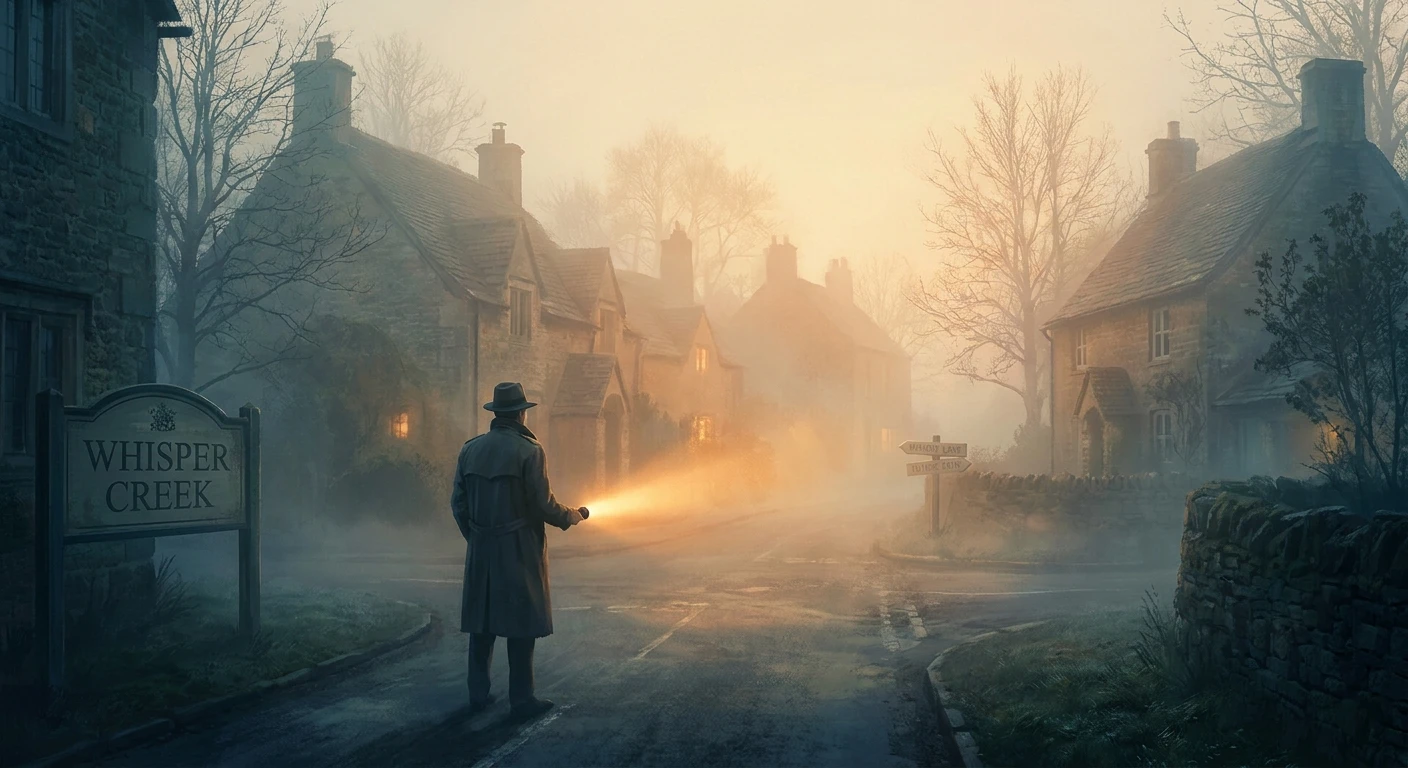
What to Expect When You Return to Silent Hill
Look, if you are planning your return to silent hill anytime soon, you absolutely need to hear me out first. I’ve spent thousands of hours analyzing psychological horror, dissecting the intricate lore, and figuring out what makes this specific universe tick. Living in Kyiv, the heavy fog rolling off the Dnieper river during those damp, late autumn mornings always gives me those exact eerie vibes. You step outside, the visibility drops to near zero, the ambient city sounds get completely muffled, and suddenly you feel like an otherworldly siren is about to start wailing from the rooftops. That visceral, cold feeling in your gut is exactly the psychological space you need to be in right now.
We aren’t just talking about a simple spooky story here. We are dealing with an intricate web of personal trauma, guilt, and surreal manifestations. My friends constantly text me, asking how they should prepare for the emotional weight of this narrative. Honestly, you can’t just walk into it blindly. The layers of symbolism are so thick that if you don’t know what you are looking at, you will miss the entire point. That’s exactly why I sat down to write this out for you. I want to make sure you are fully equipped to understand the nuances, the incredible sound design, and the raw emotional depth that awaits you. So grab a coffee, get comfortable, and let me walk you through everything you need to know before you step back into the fog.
The Core of the Psychological Nightmare
Why does this specific narrative hit us so incredibly hard? It’s all about how it weaponizes our own empathy. Unlike generic slasher stories where the threat is purely external, this universe turns the protagonist’s own mind against them. The town itself acts as a massive, interactive mirror, reflecting deep-seated guilt and unresolved grief. You aren’t just fighting monsters; you are literally doing battle with suppressed memories. This unique approach to storytelling is what separates a cheap jump-scare fest from a lasting psychological masterpiece. When you strip away the rust and the ash, you are left with a profoundly human tragedy.
To really put things into perspective, let’s break down how the different eras of this franchise have handled these themes. I’ve put together a quick comparison so you can see exactly where the focus lies.
| Feature | Original Era | Modern Interpretations |
|---|---|---|
| Source of Fear | Visceral, cult-based panic | Internal trauma and profound grief |
| Visual Metaphors | Industrial decay, rust, blood | Ethereal fog, water damage, emotional decay |
| Sound Design | Harsh, metallic clanging | Melancholic melodies, subtle ambient dread |
Understanding this shift is absolutely crucial. Here is exactly why you need to pay close attention to the upcoming narrative:
- Unmatched Emotional Resonance: The story forces you to confront the uncomfortable realities of loss and the lies we tell ourselves to survive. It is a deeply personal journey that sticks with you long after it ends.
- Masterclass in Environmental Storytelling: Every single cracked wall, locked door, and misplaced object tells a story. The environment does the heavy lifting, communicating narrative details without spelling them out for you.
- Authentic Acoustic Atmosphere: The legendary musical score and ambient sound design work together to create a pervasive sense of unease. It is an auditory experience that manipulates your emotions perfectly.
Origins of the Foggy Town
Let’s take a quick trip back to where it all started. Back in the late 90s, a team of passionate creators decided they wanted to do something completely different. While everyone else was making action-heavy games with biological mutants, they leaned into psychological dread. They didn’t have the hardware to render vast, open environments, so they used a brilliant workaround: thick, suffocating fog. What started as a technical limitation completely accidentally birthed one of the most iconic aesthetic choices in media history. The fog isolated the player, forcing them to rely on horrific auditory cues rather than visual confirmation.
This brilliant constraint forced the narrative to become more intimate. You couldn’t see what was coming, so your imagination filled in the blanks with something far worse than any rendered polygon could achieve. It was a stroke of absolute genius that laid the foundation for decades of storytelling.
Evolution of the Psychological Horror Genre
Over the years, we watched this genre mutate. Early on, the focus was heavily on the esoteric lore—cults, ancient gods, and complex rituals. But the true breakthrough happened when the focus shifted entirely to the human psyche. The environment became a canvas for the protagonist’s mind. Monsters were no longer just obstacles; they were literal walking metaphors for sexual frustration, anger, and unbearable guilt.
This evolution pushed the boundaries of what interactive media and film could do. It proved that audiences were hungry for something that treated them like adults, demanding emotional maturity and a willingness to engage with deeply uncomfortable themes.
Modern State of the Franchise
Now that we are solidly in 2026, the landscape of horror has completely shifted. Audiences are incredibly savvy. We’ve seen it all, and cheap tricks just don’t cut it anymore. The current era of this franchise recognizes that and is going back to its absolute strongest roots. There is a massive revival happening, focusing on the sheer emotional devastation of the narrative rather than relying on convoluted cult backstories.
Creators are now leveraging incredible modern technology not to add more explosions, but to make the fog denser, the shadows deeper, and the facial expressions more heartbreakingly realistic. The dedication to preserving the original emotional core while updating the presentation is seriously impressive.
The Psychology of Fear and Sound Design
Alright, let’s get a bit technical for a second, because the science behind why this works is fascinating. Your brain is wired to process sound much faster than visual information. This is an evolutionary survival mechanism. The creators of this universe know exactly how to exploit the limbic system—the part of your brain that controls emotional responses and the fight-or-flight reflex. By using discordant, low-frequency noises, they trigger a primal sense of anxiety before you even realize why you are scared.
When you hear that iconic radio static, your brain instantly associates it with an approaching threat. It’s classical conditioning at its absolute finest. You are being trained to fear the very tool that is supposed to help you survive.
Rendering the Atmosphere: Technical Magic
Beyond the audio, the visual obfuscation technologies used to create the atmosphere are incredibly sophisticated. It’s not just a flat white layer over the screen. Modern rendering techniques use volumetric fog that actually interacts with light sources. When a flashlight beam cuts through it, the light scatters realistically, creating a claustrophobic halo effect that limits your field of view dynamically.
Here are some fascinating scientific and technical facts about how this dread is constructed:
- Binaural Audio Cues: The sound design uses spatial audio to trick your brain into thinking a sound is originating from directly behind you, causing involuntary physical reactions.
- Infrasound Frequencies: Ambient tracks often contain extremely low frequencies (around 19 Hz) that human ears can barely detect, but which are known to cause feelings of sorrow, chills, and nervous system agitation.
- Color Psychology: The constant use of desaturated greys and sickly yellows directly suppresses the production of serotonin in the viewer, naturally inducing a feeling of melancholia and depression.
- Volumetric Light Scattering: Real-time ray tracing simulates how water droplets in the fog absorb and reflect light, creating a mathematically accurate feeling of physical suffocation.
Day 1: Revisit the Source Material
You absolutely cannot skip this step. Dedicate your first evening to watching deep-dive retrospectives or playing through the second installment of the original game series. You need to familiarise yourself with the pacing. It is intentionally slow, methodical, and oppressive. Getting used to this rhythm will make your actual experience so much more rewarding.
Day 2: Analyze the Environmental Storytelling
Take some time to really look into how the environments mirror the characters. Read up on the concept of ‘the Otherworld’ and how it reflects a corrupted psyche. Understanding that every rusted fence and locked door represents an emotional barrier will completely change how you view the upcoming narrative.
Day 3: Study the Musical Score
Put on a pair of high-quality headphones, turn off the lights, and just listen to the original soundtrack. Pay attention to the contrast between the beautiful, sad acoustic guitar tracks and the harsh, metallic ambient noise. This contrast is the emotional heartbeat of the entire universe.
Day 4: Master the Lore and Symbolism
Spend an hour reading up on the monster designs. They are never random. Understand what the nurses represent. Figure out why certain creatures are bound by straightjackets. When you know the symbolism, the creatures stop being scary monsters and become tragic figures of torment.
Day 5: Curate Your Viewing Environment
If you want the maximum impact, you have to control your environment. Clean your room, block out the windows, and adjust your sound system. You want zero outside distractions. The deeper the immersion, the harder the emotional payoff will hit you. Seriously, do not watch this while scrolling on your phone.
Day 6: Organize a Thematic Gathering
If you are experiencing this with friends, make sure they are on the same page. You don’t want someone making jokes during a deeply traumatic psychological scene. Set the ground rules early. This is an experience that demands respect and absolute attention.
Day 7: The Final Descent
This is it. You have done the prep work. Your environment is set, your mind is primed, and you understand the symbolism. Let go of your expectations and just let the fog consume you. Pay attention to the subtle facial acting and the background details. Enjoy the ride.
Myths & Reality
Myth: The big guy with the heavy blade is just a generic slasher villain meant to look cool.
Reality: He is actually a highly specific, personalized manifestation of the protagonist’s desire for punishment. He exists solely as an executioner born from overwhelming guilt, not as a random town mascot.
Myth: You need a comprehensive understanding of the town’s cult history to understand the emotional stories.
Reality: The strongest stories in this franchise actively ignore the cult lore entirely, focusing 100 percent on the personal psychological journey of the main character.
Myth: The fog was originally a brilliant artistic choice planned from day one.
Reality: It was purely a hardware limitation to hide the fact that the console couldn’t render distant buildings. It became artistic genius purely by accident.
Myth: The narrative is a straightforward mystery that gets neatly resolved by the end.
Reality: The story is highly ambiguous and open to interpretation. The true meaning often depends heavily on your own personal life experiences and psychological state.
Frequently Asked Questions
Is this a direct sequel to the 2006 film adaptation?
No, it is not. It acts as a completely separate narrative, focusing closely on adapting the specific, deeply personal story of the second original game rather than continuing the cult storyline.
Will the legendary original composer provide the soundtrack?
Yes, bringing back the original musical genius is absolutely essential for capturing the authentic, melancholic tone that fans demand. The music is practically a main character itself.
Do I need to be a hardcore horror fan to enjoy this?
Not necessarily. While it has horror elements, it operates much more like a dark psychological drama. If you appreciate deep character studies and emotional storytelling, you will find immense value here.
What specific themes are explored in the narrative?
The story heavily tackles grief, denial, guilt, the complexities of terminal illness, and how the human mind fractures to protect itself from unbearable trauma.
Who is the primary protagonist?
The focus is on an ordinary man driven by a desperate, impossible letter from his deceased wife. He is not an action hero; he is a deeply flawed, grieving human being.
Are the monster designs practical or purely CGI?
There is a massive emphasis on returning to practical effects and incredibly talented contortionists to make the creature movements look authentically jarring and physically real.
How does it connect to the broader universe?
It mostly stands alone as an isolated psychological event. The town itself is the only real connective tissue, acting as a purgatory for those carrying immense emotional baggage.
At the end of the day, preparing yourself mentally makes all the difference. The emotional weight of this universe is unmatched, and understanding the depth behind the fog turns a simple viewing into a profound experience. Take these tips to heart, curate your environment, and get ready for a narrative that will stick with you for years. Grab our 7-day preparation plan right now, share it with your friends, and make sure your return to silent hill is absolutely unforgettable.


Leave a Reply