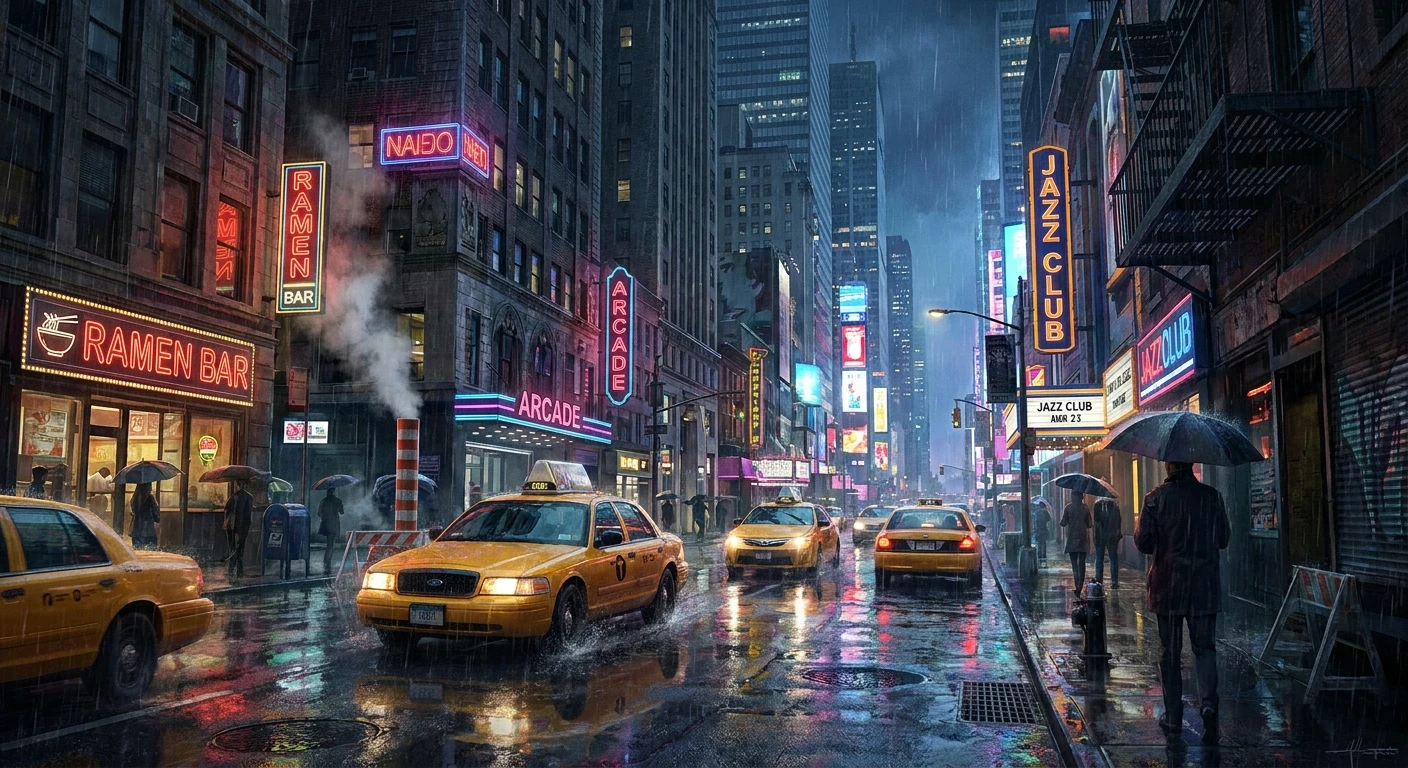
Why Everyone is Talking About gta iv remastered Right Now
Listen, if you haven’t heard the whispers about a gta iv remastered edition going around the community, you might legitimately be living under a rock. Back when I was staying in a tiny, cramped flat in Kyiv during a brutal winter power outage, firing up Liberty City on a massive, heavy generator-powered battery was my ultimate escape. The grim, grey skies of Niko Bellic’s world somehow felt perfectly cozy while the freezing rain hammered against my own window. I spent hours just driving a battered taxi through Broker, listening to the muffled radio and watching the physics engine do its magic. Now, fast forward to 2026, and the gaming sphere is completely losing its collective mind over the concrete possibility of returning to that gritty masterpiece with proper modern visual fidelity. This isn’t just your standard nostalgia talking, guys. Reviving the absolute greatest, most robust physics engine of its era means we finally get the game looking as flawlessly good as our rose-tinted memories pretend it did. I want to completely break down exactly what a definitive, upgraded version of this beloved classic means for hardcore fans. We are going to look at how the underlying rendering tech has shifted, the truth behind the heavy mechanics, and why a return to the bleak streets of Liberty City is exactly what the gaming industry desperately needs right now. Grab your favorite energy drink, sit back, and let’s thoroughly examine why Niko’s bowling dates with his cousin Roman completely deserve a next-generation coat of paint.
The Real Value of Upgrading a Classic Masterpiece
So, what exactly do you get when you throw heavy modern rendering power at a legendary 2008 masterpiece? The genuine benefit of bringing back this specific title lies deeply buried in its legendary Euphoria physics engine. If the developers finally push out a proper, top-tier upgrade, we are looking at massive lighting improvements, insanely high-resolution street textures, and most importantly, a buttery smooth 60fps console experience that the original release desperately, painfully lacked. Think about it for a second. Driving those heavy, boat-like 1990s sedans around the neon-lit streets of Algonquin with proper ray tracing reflecting off the dynamically wet pavement completely changes the entire atmospheric vibe of the game. It elevates it from a retro curiosity to a breathtaking piece of interactive cinema.
Let’s look at the core value propositions that make this potential release so utterly essential. First, you get the absolute best narrative the studio ever wrote, completely untouched but visually modernized so you can see the emotion on the characters’ faces. Second, you finally abandon those incredibly horrible PC port optimization issues that haunted us with stuttering framerates for well over a decade.
| Feature Category | Original Release (2008) | Remastered Potential (2026) |
|---|---|---|
| Frame Rate & Performance | 30 FPS (highly unstable, frequent dips) | 60+ FPS (locked and hardware optimized) |
| Lighting & Shadows | Flat, grayish tint, basic shadow maps | Ray-traced ambient occlusion, HDR colors |
| Resolution & Textures | 720p native, blurry distant LODs | 4K Ultra HD, AI-upscaled environment art |
Beyond the graphics, there are massive quality-of-life upgrades we desperately need. Here are the top improvements fans are screaming for:
- Seamless loading times: Modern ultra-fast SSDs completely eliminate those massive, annoying bridge-crossing load hitches that paused your game mid-chase.
- Refined shooting mechanics: Updating the clunky lock-on system to match the snappy, responsive feel of more recent third-person shooters.
- Restored radio stations: Licensing issues unfortunately removed tons of iconic tracks; a premium new edition could restore Vladivostok FM and The Beat to their original, head-banging glory.
Honestly, it’s not just about slapping new high-res textures on old, blocky polygons. We are talking about rescuing a vital piece of digital art from technological obsolescence. A fresh, optimized release completely wipes the slate clean, giving both seasoned veterans and curious newcomers the absolute definitive way to experience the harsh reality of the immigrant dream.
The Origins of Liberty City’s Grim Tale
Back in 2008, the transition to the high-definition era completely shifted the entire gaming landscape. The developers took a massive, incredibly bold risk moving away from the cartoonish, arcade-like fun of their previous titles to deliver something undeniably darker, heavier, and brilliantly cinematic. Niko Bellic’s story wasn’t about stealing jetpacks or flying fighter jets; it was about the crushing, brutal reality of chasing an American dream that arguably didn’t even exist. This heavily grounded direction alienated some casual players but permanently cemented a die-hard cult following who still passionately defend it as the pinnacle of interactive, mature storytelling.
The Evolution of the Euphoria Engine
The core technology powering the game was absolutely mind-blowing at the time of its release. NaturalMotion’s integrated Euphoria engine meant characters didn’t just play boring, pre-canned animations; they reacted to their environment dynamically in real-time. If you shot an enemy on a fire escape, he’d tumble down realistically, grabbing desperately at the metal railings on the way down. As years passed, surprisingly, subsequent games in the industry actually dialed this tech back drastically to save precious processing power. The evolution of this physics engine essentially stalled, making the 2008 release a highly unique time capsule of crazy, CPU-heavy physics that gamers still completely obsess over today.
The Modern State of the Franchise
Look at exactly where we are now. The enormous gap between major, mainline releases has painfully stretched into well over a decade. While everyone waits eagerly, endlessly checking forums for the next massive entry, pure nostalgia for the past has organically reached a boiling point. The modern gaming industry heavily relies on remakes, reboots, and revivals, and fans are practically throwing their wallets at their screens begging for a proper return to Liberty City. The modern state of the community overwhelmingly proves that true realism, heavy, unforgiving driving mechanics, and gritty, character-driven narratives are deeply, profoundly missed. A fresh, polished coat of paint wouldn’t just be a quick corporate cash grab; it would serve as the absolute perfect bridge to remind everyone why this specific studio sits comfortably at the absolute top of the entertainment food chain.
Rendering High-Definition Urban Grime
Let’s talk pure technology for a second, because the underlying science of upgrading a game is fascinating. Upgrading an old proprietary engine, specifically the RAGE (Rockstar Advanced Game Engine) architecture from way back in 2008, isn’t a simple drag-and-drop process. The original game famously utilized a heavily desaturated, brownish color palette and a very aggressive depth-of-field blur to cleverly hide the technical limitations of older consoles. A modern graphical overhaul fundamentally means ripping out that legacy lighting code entirely and replacing it with physical-based rendering (PBR). PBR ensures that materials like worn leather jackets, slick wet asphalt, and rusty car hoods react to artificial light sources with mathematical accuracy, rather than just using flat, pre-baked textures. It’s essentially teaching the game engine exactly how real photons behave when bouncing off microscopic surface imperfections.
CPU Load and Dynamic Physics Integration
The absolutely most fascinating technical aspect of reviving this game lies heavily in the CPU utilization. Back in the day, continuously calculating the dynamic physical balancing of pedestrians and the complex soft-body deformation of crashing vehicles absolutely melted console processors. Today, our advanced multi-core CPUs can handle those intense calculations in their sleep without breaking a sweat. This massive leap in processing power leaves enormous computational overhead for developers to push rendering draw distances incredibly far and massively increase pedestrian density without ever sacrificing the integrity of the physics systems.
- Volumetric Cloud Systems: Entirely replacing static 2D skyboxes with dynamic, rendering-intensive weather patterns that actually cast realistic shadows over the city blocks.
- Spatial Audio Processing: Heavily utilizing modern 3D audio APIs to perfectly simulate the sound of police sirens organically bouncing down the narrow, echoey urban canyons of Liberty City.
- Upscaled Textures via AI: Smartly utilizing machine learning algorithms to intelligently upscale blurry street signs, wall graffiti, and minor environmental details without losing their original, grimy artistic intent.
- Direct Memory Management: Radically shifting from legacy HDD streaming logic to ultra-fast SSD direct-storage protocols, meaning massive building assets load instantly as you recklessly speed through busy intersections.
Step 1: Secure the Proper Hardware
Preparing for a massive, highly anticipated release like this requires a bit of serious prep work. You don’t just jump blindly back into Liberty City without a solid game plan. First things first, you need to make sure your visual display is fully ready. You will absolutely want a modern OLED TV or a high-refresh-rate IPS monitor to truly, deeply appreciate the perfect, inky blacks of those rainy night drives and properly track the smooth 60fps performance target.
Step 2: Revisit the Legendary Soundtrack
Start steadily building your personal hype by exclusively listening to the original radio stations. Throw on some heavy Vladivostok FM beats or The Beat 102.7 hip-hop during your daily work commute to completely get your mindset back into that aggressive, fast-paced 2008 New York vibe. It works wonders for setting the mood.
Step 3: Clear Your Gaming Backlog
You know for a absolute fact that this specific game naturally demands your full, undivided attention. Spend the quiet weeks leading up to the launch diligently finishing off any short indie games or lingering 100-hour RPGs. You will easily need at least 50 to 60 hours dedicated solely to hanging out with Niko and Roman.
Step 4: Calibrate Your Controller Precision
The driving mechanics are notoriously heavy, punishing, and require incredibly precise analog stick control to master. Make absolutely sure your controller doesn’t have even a hint of stick drift, or you will be instantly wrapping your newly customized Sentinel straight around a metal lamppost the second you hit the gas.
Step 5: Plan Your DLC Playthrough Route
Carefully decide your exact playthrough order ahead of time. Will you cleverly weave the Episodes from Liberty City side-stories into the main narrative chronologically, or simply play the massive base game straight through to the end before ever touching the biker chaos of The Lost and Damned?
Step 6: Avoid Story Spoilers Diligently
Even if you played it to completion years ago, you have probably forgotten the finer, emotional details of the plot. Actively mute related keywords on your social media accounts to keep the heavy emotional impact of the brutal ending choices perfectly, cleanly intact.
Step 7: Block Out the Entire Weekend
When the download finally unlocks, turn off your phone completely. Stock up heavily on your favorite snacks, close the window blinds tightly, and just let the deeply immersive, incredibly atmospheric world of Liberty City completely absorb your reality for a full, uninterrupted weekend marathon.
Separating Rumors from Reality
A lot of incredibly weird, baseless rumors naturally float around the internet whenever legendary older games are heavily discussed. Let’s quickly clear the air on a few persistent misconceptions right now.
Myth: The original driving mechanics were objectively bad, clunky, and utterly broken.
Reality: The driving was heavily physics-based, accurately simulating realistic vehicle weight, momentum, and suspension travel. It required actual braking skill, making it highly rewarding once you mastered it.
Myth: A massive visual upgrade will totally ruin the dark, depressing, gritty atmosphere of the original vision.
Reality: Modern lighting engines can actually heavily enhance the grit. Precise ray-traced shadows and better ambient occlusion will make the dark back alleys and filthy subway tunnels feel even more dangerous and oppressive.
Myth: They will completely censor the game’s famous, razor-sharp social humor.
Reality: The developers have historically preserved the core, unedited narrative of their older titles during re-releases, keeping the wildly cynical, biting social commentary entirely intact for modern audiences.
Will there be a dedicated PC release?
Yes, it is highly, overwhelmingly expected that PC players will finally get the game, hopefully optimized infinitely better than the notoriously disastrous 2008 computer port.
Does it include the extra DLC episodes?
Any modern definitive package essentially has to heavily include The Ballad of Gay Tony and The Lost and Damned to be considered a complete, worthy purchase.
Are the graphics completely rebuilt from scratch?
Expect heavily enhanced textures, beautiful modern lighting, and vastly better resolutions, but absolutely not a full ground-up, code-level remake like some other recent industry titles.
What about the classic multiplayer mode?
Most classic revivals unfortunately skip the old online modes completely to heavily focus development resources purely on perfecting the single-player narrative experience.
Will they finally fix the annoying bowling calls?
Roman’s constant, incredibly persistent phone calls are entirely iconic; developers will highly likely leave them exactly as they seamlessly are for pure comedic effect.
Is the framerate going to be locked?
Current generation consoles should easily, flawlessly handle a completely locked 60 frames per second, eliminating the old headache-inducing stutter.
Will classic music tracks be missing?
Due to expiring, expensive music licenses, some original beloved songs might sadly be swapped, but the overall gritty auditory vibe undoubtedly remains.
Can we expect official mod support?
Official mod support is rarely included directly, but the PC community will undoubtedly reverse-engineer the engine to add wild custom cars and scripts within days.
How massive will the final file size be?
Given modern 4K uncompressed textures and high-fidelity audio files, you should realistically expect the total download size to easily exceed 80 gigabytes.
Will it run smoothly on handheld PCs?
As we navigate through the gaming landscape of 2026, incredibly powerful handhelds like the Steam Deck should effortlessly run this optimized title at maximum portable settings.
So there you finally have it. The very real prospect of firing up this absolutely legendary, genre-defining title with high-end modern tech is easily enough to get any dedicated gamer’s pulse racing wildly. We are finally at a point in technological history where physical hardware can truly match the massive, uncompromised ambition of the original creative vision. Don’t sit around waiting—start passionately prepping your gaming setup now, test your controllers, and please drop a quick comment below letting me know exactly which iconic radio station you will definitely be tuning into first!




Leave a Reply