Is The silent hill 2 remake xbox Experience Actually Good?
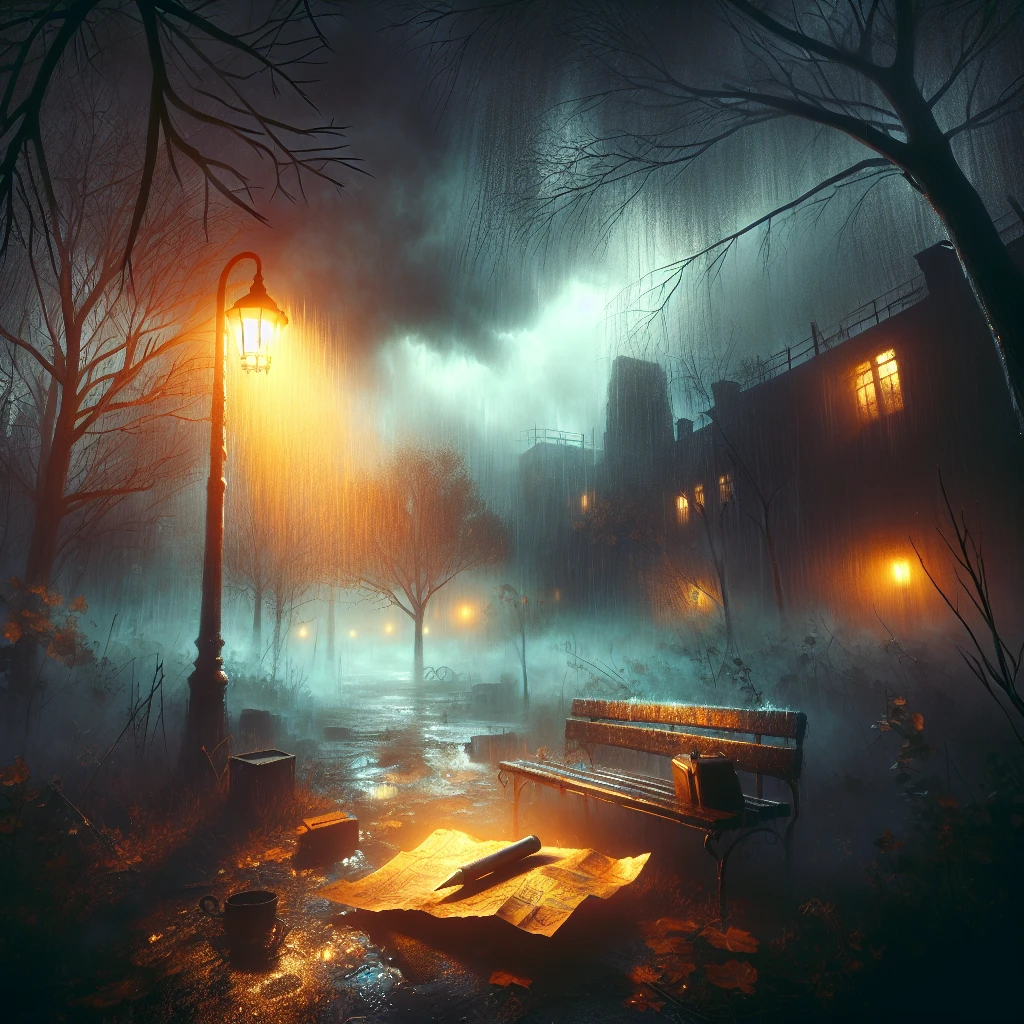
Ever felt a cold, sharp chill run straight down your spine just from hearing random static on a broken pocket radio? When you boot up the silent hill 2 remake xbox edition, that exact feeling hits you instantly, pulling you straight back into the fog. It grabs you by the collar and drags you into a thick, suffocating atmosphere that feels both incredibly familiar and deeply unsettling. You might be wondering if this fresh coat of modern paint ruins the original masterpiece. Honestly? It totally respects the legacy while elevating the terror to heights we could only dream of decades ago.
Growing up in Kyiv, sudden power outages were a completely normal part of my daily routine. Back in the early 2000s, I distinctly remember sitting alone in my pitch-dark bedroom, feeling completely terrified. I relied solely on the faint, high-pitched buzzing glow of a massive, heavy CRT television. The heavy, oppressive fog covering the fictional town on the screen strangely mirrored the bleak, freezing winter nights right outside my window. The dread was palpable. Fast forward to 2026, and playing this fully rebuilt version on Microsoft’s current-gen hardware brings back that exact same visceral dread. But now, it feels sharper, heavier, and infinitely more intense. This isn’t just a cheap nostalgic cash grab; it is a complete, meticulous architectural overhaul of a psychological masterpiece built from the ground up for modern hardware.
Look, I get it. You are naturally skeptical. Classic revivals often strip away the very magic that made the original so special. But trust me on this—the developers knew exactly what they were doing, and the results speak for themselves.
The core of this release lies in how it leverages modern console capabilities to crush your sense of safety. The developers did not just upres old textures; they entirely rebuilt the engine to take advantage of current generation architecture. The true value proposition here is the complete lack of friction. Because the game utilizes the internal SSD, there are absolutely zero loading screens between exploring the foggy outdoor streets and entering a terrifying, pitch-black building. You never get a moment to breathe or drop your guard. For example, when you walk into the Wood Side Apartments, the transition is completely seamless. The creeping dread never pauses for a loading bar. Another great example is the spatial audio implementation. If a creature is dragging something across the floor on the story above you, you hear it directly over your head, tracking precisely with your character’s camera movements.
| Hardware Platform | Target Resolution & Performance | Audio Technology |
|---|---|---|
| Xbox Series X | Native 4K at 30fps / Dynamic 1440p at 60fps | Windows Sonic / Dolby Atmos Spatial |
| Xbox Series S | Dynamic 1080p at 60fps / 1440p at 30fps | Standard Surround / Headphone Mix |
| Original PS2 (2001) | 480i at locked 30fps | Stereo / Pro Logic II |
So, what exactly makes this specific console version stand out from the rest? Here are the undeniable highlights:
- Heavily optimized volumetric fog: The mist actually reacts to your character’s physical body. As you walk, the fog swirls around your shoulders in real-time, masking the horrors lurking just a few feet away.
- Flawless Quick Resume integration: You can suspend your game right in the middle of a terrifying boss fight, switch to a streaming app to catch your breath, and jump right back into the nightmare instantly.
- Custom controller mapping: The layout feels completely organic to the asymmetrical stick layout, making combat feel desperate but fair, avoiding the clunky tank controls of the past without making you an action hero.
The Origins of Psychological Horror
To truly appreciate what we have right now, you have to look back at where the nightmare started. Back in the late 90s and early 2000s, the horror genre was heavily dominated by B-movie tropes, zombies, and straightforward biological weapons. Team Silent, the original development crew, decided to go against the grain. They crafted a deeply personal, sorrowful story about guilt, punishment, and repressed memories. They didn’t rely on cheap jump scares; they relied on slow, creeping psychological tension. It was a massive gamble that paid off, completely defining the psychological horror genre for a generation.
Evolution of the Fog
Everyone knows the legendary story by now. The iconic, blinding fog of the original game was actually born out of a desperate hardware limitation. The PlayStation 2 simply could not render distant environments without severe frame rate drops, so the developers shrouded the draw distance in mist. What started as a technical compromise became the game’s most terrifying feature. Over the years, later sequels tried to replicate this feeling, but they often failed, making the mist look like cheap cigar smoke. The current iteration fixes this entirely. The fog is now a dynamic, physical entity that changes density based on the weather and narrative tension.
Modern State of Survival Horror
By 2026, the gaming landscape has shifted drastically. Players grew tired of high-octane action masquerading as horror. We saw a massive return to slow-burn, atmospheric experiences. The success of this release proves that audiences are absolutely starving for mature, emotionally complex narratives that do not hold your hand. The developers understood this shift perfectly. They preserved the melancholic pacing, ensuring that the environment itself acts as the primary antagonist, pushing the boundaries of what interactive storytelling can achieve today.
The Psychology of Sound Design
You cannot talk about this masterpiece without heavily praising the audio engineering. Human psychology is deeply tied to sound, and the soundscape here is Weaponized. The composers heavily utilized infrasound—low-frequency acoustic waves that are just barely below the normal limit of human hearing. While you might not consciously register these sounds, your physical body does. Infrasound has been scientifically proven to induce feelings of sorrow, extreme dread, and even mild panic attacks. When you are wandering the dark hospital corridors, the ambient room tone is packed with these low frequencies, keeping your nervous system constantly on edge.
Unreal Engine 5 Mechanics Unpacked
The visual fidelity is pushed to the absolute extreme thanks to Unreal Engine 5. Let me break down the tech without getting bogged down in too much jargon. The game heavily relies on two major systems: Lumen and Nanite. Lumen provides fully dynamic global illumination. This means when your flashlight hits a rusty pipe, the light bounces off the metal and softly illuminates the bloody tiles behind it in real-time. Nanite allows the developers to import film-quality, high-poly models without tanking the frame rate. Every single crack in the pavement and peeling piece of wallpaper is rendered with absurd detail.
- Binaural Audio Processing: Tricking the human brain into pinpointing exactly where a monstrous shriek originated, heightening the flight-or-fight response.
- The Uncanny Valley Effect: Monsters are designed with jerky, biologically impossible joint movements that mathematically trigger primal human disgust and fear.
- Dynamic Stress Rendering: The game engine subtly increases camera film grain and chromatic aberration based on your character’s current health and panic level.
Day 1: Arrival in Town and Adjusting Settings
Start your journey by walking the long, agonizing path into town. Do yourself a massive favor: go into the audio settings and set the dynamic range to ‘Midnight Mode’ if you are using a headset. It compresses the loud sounds slightly so you don’t blow out your eardrums, but it boosts the ambient whispers. Take your time getting used to the combat mechanics here. Let the atmosphere sink in.
Day 2: Surviving the Wood Side Apartments
This is where the game truly begins to test your sanity. The claustrophobia here is intense. Your main goal is to secure the flashlight and the handgun. Do not waste your bullets on every single enemy you see. Learn to use the dodge mechanic efficiently in tight hallways. The key here is resource management and thoroughly checking every single locked door.
Day 3: Navigating the Blue Creek Nightmares
Directly following the first apartment complex, Blue Creek turns the weirdness up to eleven. The puzzles here require you to pay close attention to environmental storytelling. Keep a physical notepad next to you. Yes, a real paper notepad. Jotting down combinations and cryptic clues feels incredibly rewarding and keeps you grounded in reality while the game tries to mess with your head.
Day 4: The Brookhaven Hospital Exploration
Prepare yourself mentally. Brookhaven is notorious for being one of the most stressful locations in gaming history. The nurses are fast, unpredictable, and react aggressively to your flashlight. My advice? Turn the light off. Creep through the dark. It is terrifying, but stealth is your best friend here. Make sure to stockpile your medical supplies before heading to the roof.
Day 5: Exploring the Dark Historical Society
This section is a slow descent into absolute madness. The physical environment begins to break down. Long, impossible staircases leading deep underground will mess with your sense of space. Focus purely on progression and avoid unnecessary combat. The narrative drops some massive, heavy hints about the protagonist’s true nature during this section. Pay close attention to the dialogue.
Day 6: Toluca Prison’s Psychological Toll
This area relies completely on ambient fear. The vast, empty darkness is worse than the monsters themselves. You will hear things in the distance—footsteps, metal scraping, distant crying. Most of it is just the game playing tricks on you, but occasionally, it isn’t. Keep your shotgun loaded, but only use it for emergencies. Navigate the horseshoe-shaped cell blocks methodically.
Day 7: The Final Truth at Lakeview Hotel
The finale. The atmosphere shifts from terrifying to deeply melancholic. Everything you have done, how many times you healed, how you treated other characters—it all culminates here to determine your ending. Take a deep breath, face your demons, and experience one of the most beautifully tragic conclusions ever written. You have earned it.
Let’s clear the air and debunk some persistent nonsense floating around the internet.
Myth: The optimization for Microsoft consoles is terrible and the game stutters constantly.
Reality: Early preview builds had some hiccups, but the day-one patch completely smoothed out the frame pacing. If you are playing on performance mode, you are getting a rock-solid, buttery smooth 60fps experience.
Myth: The developers fundamentally changed the core story and character motivations.
Reality: Absolutely false. The narrative remains completely pure and strictly faithful to the original script. They only added a few subtle, environmental lore details that reward hardcore fans.
Myth: The combat was turned into an over-the-top action shooter.
Reality: Combat is definitely modernized, but it remains clunky by design. You still feel vulnerable, and swinging a wooden plank feels heavy, desperate, and exhausting.
Is the physical edition available in stores?
Yes, you can absolutely grab a physical disc version. However, make sure to connect to the internet to download the essential day-one stability patches before you start playing.
Does the game support 120hz displays?
While the game supports modern displays, the frame rate is firmly capped at 60fps in performance mode to maintain visual fidelity and lighting quality. 120fps is not available.
Are there multiple endings to discover?
Yes! All the classic original endings are intact, and there are even completely brand-new, hidden conclusions that require highly specific playthrough conditions to unlock.
Can you play this on an older Xbox One?
No. This title was built exclusively for current-generation architecture. It physically cannot run on older hardware due to the extreme memory requirements for the seamless world streaming.
How long is the main campaign?
A standard first playthrough will take you roughly 15 to 18 hours. If you are a completionist hunting down every single memo and hidden item, expect to easily hit the 25-hour mark.
Is the legendary soundtrack the same?
The original composer, Akira Yamaoka, returned to completely re-record and remix the entire score. It features the classic melodies you love, but they are layered with deeper, richer instrumentation.
Do I need to play the first game to understand the story?
Not at all. This is a completely standalone narrative. While they share the same universe and town, the characters and events are entirely disconnected from the first entry.
Ultimately, experiencing this psychological journey on modern hardware is something every single horror fan needs to do. The sound design alone justifies the price of admission. Stop hesitating, grab your controller, turn off all the lights in your room, and step back into the fog. Your personal nightmare is waiting for you.


Leave a Reply