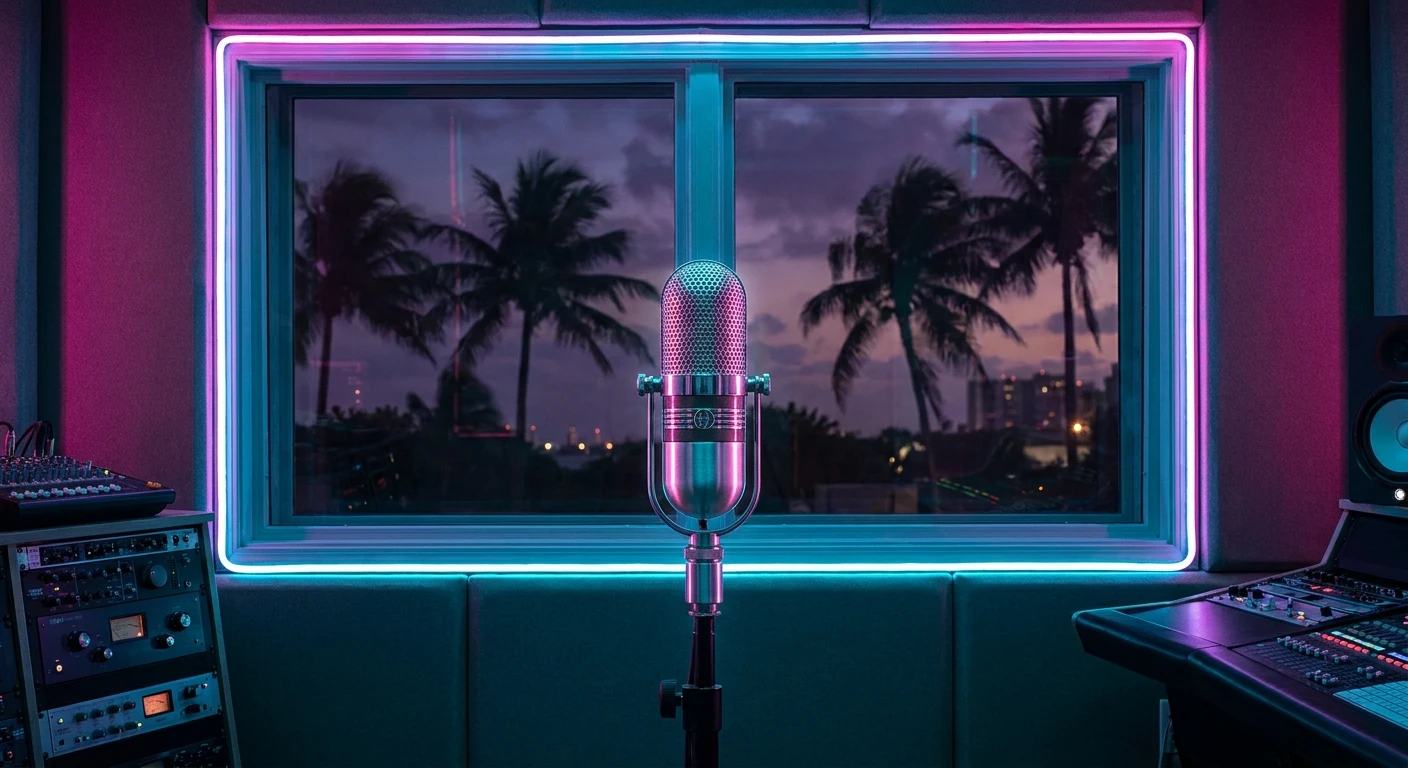
Everything You Need to Know About the Voice Actors GTA 6 Features
Finding out exactly who the Voice Actors GTA 6 features has easily become one of the most talked-about mysteries in the entire gaming community. Listen, when a game takes over a decade to develop, every single casting choice carries an unbelievable amount of weight. The protagonists, Lucia and Jason, require performances that can anchor hundreds of hours of dynamic gameplay, emotional cutscenes, and high-octane action across the fictional state of Leonida. Rockstar Games operates with total secrecy, demanding non-disclosure agreements that keep their performers completely under the radar until the official marketing campaigns launch.
You have to realize that modern interactive entertainment relies entirely on the believability of its characters. A massive open-world environment feels completely dead if the people walking the streets, running the cartels, or selling you weapons lack authentic personalities. The sheer volume of spoken dialogue in a project of this magnitude shatters industry records, requiring thousands of secondary actors just to populate the sprawling metropolis of Vice City and its surrounding swamps. The central thesis is simple: the success of this monumental franchise installment hinges directly on the emotional resonance, comedic timing, and raw dramatic talent provided by its dedicated voice cast.
Read also: The Real gta 6 voice actors Revealed; Zombieland 3: Updates, Plot Rumors, and Cast News.
The Core Value of World-Class Casting
To truly grasp the scale of this production, we need to look at how voice acting physically shapes the gameplay experience. It is not just about reading lines into a microphone; it involves full-body performance capture, intense physical exertion, and months of grueling rehearsals. When players navigate the streets of Leonida, the ambient dialogue, the radio commercials, and the cinematic storylines all blend into one cohesive atmosphere.
| Character Archetype | Performance Requirements | Impact on Gameplay |
|---|---|---|
| Lead Protagonists (Lucia & Jason) | Full motion capture, hundreds of recording hours, dynamic reaction lines. | Drives the emotional core and main narrative progression. |
| Primary Antagonists | Intense dramatic acting, aggressive stunt choreography, distinct vocal cadence. | Creates tension, provides challenging obstacles and memorable rivalries. |
| Pedestrians and NPCs | Improvisational comedy, localized accents, reactive sound bites. | Builds a living, breathing world that reacts naturally to player actions. |
There are distinct reasons why top-tier developers frequently choose relatively unknown actors for their biggest roles instead of relying entirely on Hollywood A-listers. The value proposition here is massive for the studio and the player alike. Consider these primary benefits:
- Total Immersion: When you hear a famous celebrity, you often picture the celebrity rather than the character. Using fresh talent ensures that players only see the protagonist.
- Scheduling Flexibility: A game of this size requires actors to be available for years of continuous updates, reshoots, and expansions, which is nearly impossible for massive film stars.
- Budget Allocation: Funneling millions of dollars into game design, physics engines, and expansive world-building rather than paying exorbitant celebrity acting fees yields a better final product.
- Long-Term Commitment: Unknown actors often embrace the role entirely, becoming beloved ambassadors for the franchise at conventions and interacting directly with the fan community for years after release.
Origins of Video Game Casting
The journey to the sophisticated casting we see today started from very humble beginnings. Decades ago, game developers literally pulled programmers and sound engineers from their office desks to record dialogue in makeshift closets. The audio compression was terrible, the scripts were basic, and the concept of a “performance” was basically nonexistent. The original games in the genre featured top-down perspectives and text boxes, completely bypassing the need for spoken dialogue. The shift to 3D environments changed the rulebook entirely.
Evolution of Character Voices
During the early 2000s, there was a massive trend of hiring major Hollywood stars to voice game protagonists. Studios believed that slapping a famous name on the box art was the ultimate marketing tool. We saw legendary actors stepping into recording booths, but the technology did not allow them to physically act out the scenes. They stood in isolation, reading scripts off music stands. While the vocal performances were often excellent, the characters’ on-screen body language was animated entirely by hand, leading to a massive disconnect between the emotion in the voice and the stiffness of the 3D models.
The Modern State of Voice Acting
Today, the landscape is completely different. The industry has fully embraced “Performance Capture,” a method that records the actor’s voice, facial expressions, and body movements simultaneously. The cast must wear tight, sensor-covered suits and head-mounted cameras that track every single micro-expression. This evolution means that the actors are quite literally acting out the entire game on a massive soundstage known as a volume. They interact with props, perform stunts, and look their co-stars directly in the eyes. This modern methodology requires a hybrid talent pool: performers who possess the vocal chops of traditional voice actors combined with the physical presence of stage and screen actors.
Performance Capture Technology
Understanding the science behind the scenes gives you a massive appreciation for what these performers endure. The technology used to capture human emotion and translate it into digital polygons is staggering. The recording volumes are equipped with dozens of infrared cameras that bounce light off the reflective markers attached to the actors’ bodies. Every subtle shift in posture, every aggressive lunge, and every casual walk is mapped onto a digital skeleton in real-time. This ensures that the digital avatars move with genuine human physics rather than looking like robotic puppets.
Audio Processing and Integration
Once the raw performance is captured, the audio engineering team takes over. They deal with the incredibly complex task of integrating thousands of audio files into a game engine that triggers sounds based on unpredictable player behavior. If your character is running upstairs while shooting, the dialogue engine must dynamically select a breathless, aggressive vocal take rather than a calm conversational tone.
- Head-Mounted Cameras: Lightweight rigs attached to the actors’ faces capture the exact movement of their lips, ensuring perfect sync with the spoken dialogue.
- Spatial Audio Mixing: Sound engineers program the dialogue to reflect the virtual environment, adding realistic echoes if the character is in a tunnel, or muffling the voice if they are behind a wall.
- Dynamic Breathing Systems: The game engine tracks character stamina, seamlessly blending in audio files of heavy breathing or exhaustion to match the physical exertion happening on screen.
- Algorithmic Crowd Chatter: Background voices are stitched together using complex algorithms so that the chaotic noise of a crowded nightclub or a busy beach never sounds artificially repetitive.
Stage 1: Initial Casting Calls
The journey begins with highly secretive casting calls sent out to specialized talent agencies. Because of extreme non-disclosure agreements, the projects are given fake codenames. The character descriptions are intentionally vague. Actors audition by reading dummy scripts that have nothing to do with the actual plot, simply so the directors can gauge their tone, energy, and ability to take direction.
Stage 2: Table Reads and Rehearsals
Once the core cast is selected, they are brought into secure facilities for extensive table reads. This is where the ensemble begins to build chemistry. They read through massive, phonebook-sized scripts, establishing the rhythmic banter and emotional dynamics that will define their on-screen relationships. Directors use this time to tweak the dialogue based on the actors’ natural speech patterns.
Stage 3: Motion Capture Sessions
The actors don the Lycra mocap suits covered in reflective markers. They step onto a barren soundstage built with wireframe props—a collection of PVC pipes might represent a getaway car, while a bunch of wooden boxes act as a bank vault. They physically perform the intense action sequences, ensuring that the body language perfectly matches the intensity of the spoken dialogue.
Stage 4: Dialogue Recording Booths
Not everything can be recorded on the motion capture stage. Ambient noises, radio commercials, internal monologues, and alternative gameplay lines (like falling off a building or getting into a car crash) are recorded in heavily soundproofed vocal booths. Actors spend grueling hours screaming, grunting, and recording hundreds of variations of a single phrase just to ensure the game has enough audio variety.
Stage 5: Facial Animation Sync
Animators take the raw data from the head-mounted cameras and map it directly onto the highly detailed 3D faces of the characters. They manually tweak the digital muscles, ensuring that a subtle smirk, a raised eyebrow, or a tearful breakdown translates perfectly from the human actor to the digital protagonist. This stage bridges the gap between raw audio and visual believability.
Stage 6: Localization and Dubbing
Simultaneously, international teams begin the monumental task of translating and dubbing the entire game into multiple languages. Voice actors across the globe must carefully match the original English cast’s tone, energy, and lip movements, ensuring that players in France, Japan, and Brazil experience the exact same emotional impact without feeling disconnected from the visuals.
Stage 7: Final Audio Mixing
In the final stretch before release, audio engineers implement all the recorded lines into the actual game engine. They balance the dialogue levels against the roaring engines of sports cars, the explosive gunfire, and the ambient music tracks. This final mix ensures that the actors’ hard work is perfectly audible and impactful, regardless of the chaos happening in the open world.
Myths and Realities of Game Casting
Myth: Voice actors just show up in sweatpants and read from a script.
Reality: Major game roles require grueling physical stunt work, precise motion capture acting, and extensive training with props and tactical gear on a massive soundstage.
Myth: The bigger the celebrity, the better the game.
Reality: Dedicated, highly trained voice-over and stage actors frequently deliver far more authentic and immersive interactive performances than traditional film stars who are unaccustomed to the non-linear nature of game scripts.
Myth: The dialogue is completely finalized before recording begins.
Reality: Game scripts are highly fluid. Writers frequently rewrite scenes on the fly based on the chemistry between the actors, improvisations, and changes in the overall game design during the multi-year production cycle.
Myth: AI is completely replacing human actors in modern games.
Reality: While AI might be used to generate distant crowd murmurs or prototype placeholder audio, leading roles and emotionally complex characters absolutely require the nuanced, empathetic performances that only human beings can provide.
Frequently Asked Questions
Who is voicing the main characters?
While the exact confirmed roster remains tightly guarded by strict legal contracts, extensive community research and industry leaks have heavily pointed toward extremely talented, rising actors who fit the specific physical and vocal profiles of the protagonists seen in the marketing materials.
Do actors play the games they voice?
Many do! A huge portion of the talent pool consists of avid gamers who deeply understand the culture. Some actors even stream their own playthroughs upon release, offering fans an incredible behind-the-scenes commentary track.
How long does the recording process take?
For a massive open-world title, the core cast can be called in for recording and motion capture sessions sporadically over a period of three to five years, making it an incredibly demanding long-term commitment.
Are the character models based on the actors’ real faces?
Yes, in most modern triple-A titles, the digital avatars are heavily modified scans of the actual performers. This makes the facial animation data map much more accurately and allows the actor’s natural expressions to shine through the digital makeup.
How many voice actors are hired for a game this big?
The cast list easily reaches into the thousands. Beyond the main story characters, developers hire massive ensembles to voice pedestrians, police officers, radio DJs, and background crowds to make the fictional state feel genuinely populated.
Can fans audition for background roles?
Generally, top-tier developers exclusively use professional talent agencies and established casting directors to ensure the highest possible audio quality and strict adherence to intense production schedules.
Do voice actors perform their own stunts?
While actors perform standard movements and dramatic physical scenes, dangerous actions like car crashes, massive falls, and complex combat are usually handed over to professional stunt doubles who wear the motion capture suits for those specific takes.
Why is the cast kept a secret for so long?
Total secrecy prevents story spoilers from leaking out, keeps the public focus entirely on the game’s atmosphere rather than real-world drama, and protects the actors from overwhelming harassment or fan pressure during the stressful development phase.
The immense effort poured into interactive audio is truly a modern technological marvel. The individuals stepping into the volume to bring these digital criminals, civilians, and heroes to life are shaping the cultural zeitgeist for the next decade of entertainment. Now that you understand the grueling reality behind the microphone, keep your ears open and prepare to appreciate the masterful performances awaiting you in Leonida. Stay tuned to the official channels for the definitive cast reveals, and get ready to experience a revolution in digital storytelling!
Leave a Reply