The Truth About gta 6 voice actors
Ever wondered who actually brings Lucia and Jason to life while randomly searching for the confirmed gta 6 voice actors on your phone at two in the morning? Listen, the speculation around this massive topic is absolutely insane right now, and honestly, it is completely justified. I am sitting in a buzzing, fiercely energetic coffee shop right here in the heart of Kyiv, watching the tram roll by on a rainy Tuesday morning, sipping a perfectly brewed flat white. I remember exactly where I was when the massive leaks and the initial official trailer dropped. The entire cafe basically went dead silent. We all stopped our daily hustle, glued to our little glowing screens, immediately trying to match vocal cords to faces. Finding the true identities of these performers has become a global obsession, almost like an international digital scavenger hunt conducted by millions of highly caffeinated fans.
My thesis is incredibly simple: Rockstar has entirely rewritten the playbook on casting over the last decade, actively choosing raw, gritty authenticity over massive Hollywood star power, and today we are breaking down exactly who these new performers are and why they are the perfect fit for the absolute next generation of open-world gaming. You cannot just slap a famous celebrity name on a digital avatar anymore and call it a day expecting the players to care. The modern gaming audience demands a living, breathing person behind the digital mask, someone who bleeds the character.
Read also:
- Destiny 2: The Complete vog loot table Guide
- Ultimate Guide to the Best BG3 Dragonborn Builds
- Fighter or Scout? The Ultimate Stardew Valley Combat Guide
Why Rockstar Chooses Unknown Talent
Rockstar has this fascinating, almost stubbornly brilliant habit of actively avoiding massive A-list celebrities for their main protagonists. They desperately want you to see the character living on the screen, not the famous multimillionaire actor standing comfortably in an air-conditioned recording booth. This specific casting strategy creates a massive, undeniable value proposition for the studio and for us, the players. By casting hungry, highly talented but incredibly lesser-known talent, the pure emotional immersion breaks straight through the roof. You don’t hear a famous movie star complaining about their agent; you just hear Lucia surviving. You just hear Jason making impossible choices.
Take a hard look at how this breaks down in reality. Example one: Ned Luke as Michael De Santa. Nobody really knew who he was before he suddenly became an absolute global pop culture icon. He was just a hard-working actor. Example two: Roger Clark as Arthur Morgan. He went from doing relatively minor, obscure stage plays to delivering what is universally recognized as one of the most heartbreaking, compelling, and nuanced performances in all of entertainment history. Now look at our intensely scrutinized new dynamic duo for the upcoming masterpiece.
| Character | Rumored/Confirmed Actor | Previous Notable Work |
|---|---|---|
| Lucia | Manni L. Perez | Law & Order SVU, minor television roles |
| Jason | Gregory Connors | Independent films, regional stage productions |
| Stefanie | Unknown Performer | Regional theater, commercial background voiceovers |
If you are actively trying to figure out how to spot a Rockstar actor living out in the wild, here is the absolute foolproof method we all constantly joke about online:
- They suddenly go completely silent on all their social media platforms for roughly three to four solid years, posting absolutely nothing.
- Their public professional resume mysteriously hides any major projects, cryptically listing only heavily NDA-protected interactive media gigs.
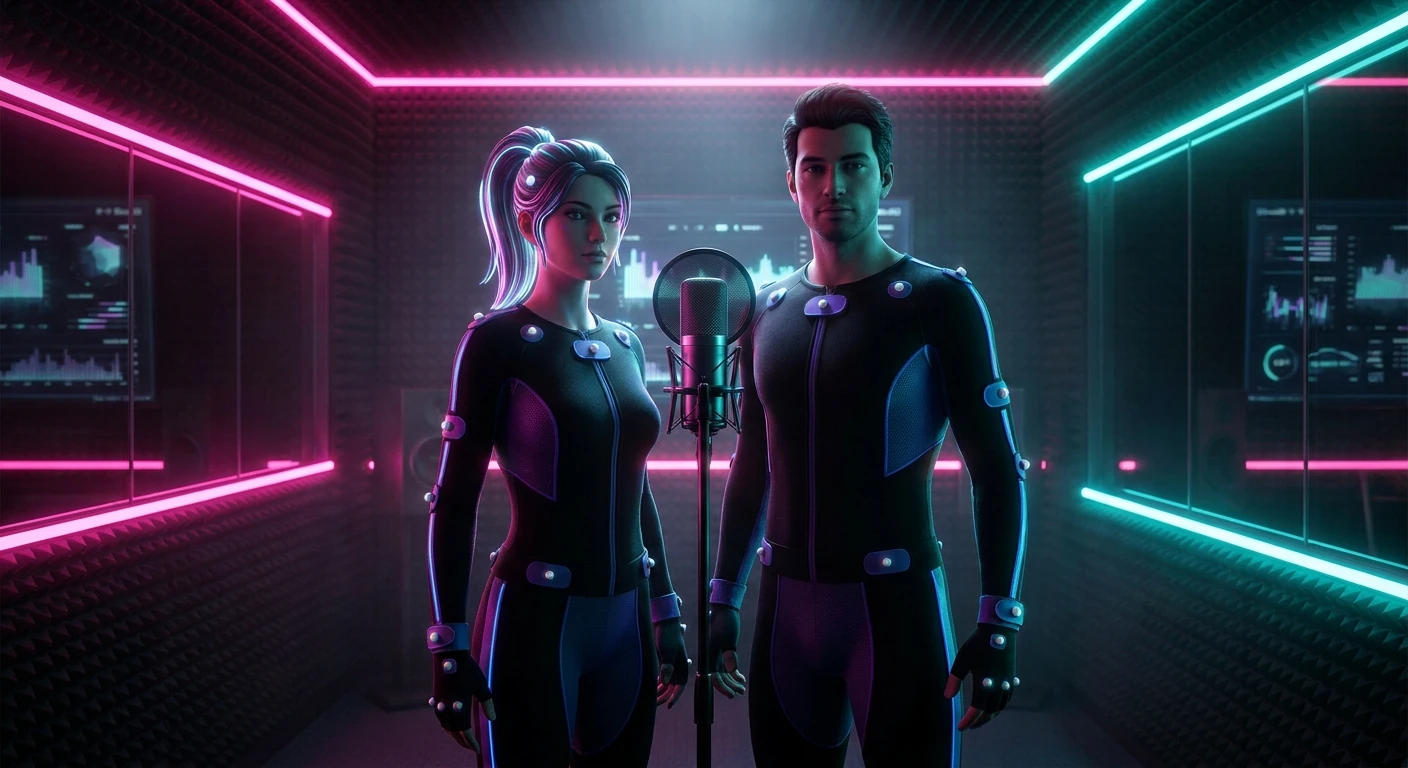
- You accidentally spot them wearing specialized, highly unglamorous motion capture suits in blurry, unreleased studio photos floating around shady internet forums.
It is almost a sacred rite of passage at this exact point in time. The major studio locks them down so tightly, and they essentially disappear entirely from the traditional Hollywood acting circuit to dedicate their entire lives and souls to this one massive, life-altering project.
Origins of the Casting Strategy
Back in the early 2000s, things were wildly different in the gaming industry. Remember the glorious Vice City days? They aggressively brought in absolute Hollywood heavyweights like Ray Liotta, Burt Reynolds, and Dennis Hopper to voice the lead and supporting characters. While the end performance was undeniably iconic and shaped childhoods, the chaotic behind-the-scenes reality was notoriously difficult for the developers. Clashing celebrity egos, massive upfront paychecks, unpredictable scheduling conflicts, and a severe lack of creative flexibility heavily forced the studio to drastically rethink everything. They quickly realized that blindly spending millions on a big name did not actually make the video game play any better or feel any more emotionally resonant.
Evolution Through the HD Era
By the time we hit the massive HD era with groundbreaking titles featuring complex leads like Niko Bellic, the structural shift was completely obvious. They pivoted extremely hard toward incredibly talented, intensely hardworking stage actors and unknown television performers. These were resilient people who truly understood how to constantly project their voices, how to deeply physically embody a demanding role, and most importantly, how to take strict direction for hundreds of grueling hours without complaining to their manager about their trailer size. The resulting performances felt incredibly grounded, deeply real, and emotionally connected to the gritty streets they were portraying.
The Modern State in 2026
Now that we are pushing deeply into the highly advanced landscape of 2026, the entire spectrum of interactive media has completely shifted on its axis. It is no longer just casually standing in a padded, soundproof room lazily reading lines off a cheap music stand. The performers are basically living out the intense cinematic scenes in full 3D space. They run, they jump off ledges, they aggressively tackle each other onto heavy foam crash mats. The severe physical demands are much closer to a high-intensity professional stage combat show than traditional vocal booth work. They literally sweat and bleed for these iconic roles.
The Science Behind Performance Capture
You really have to fully understand the sheer technological nightmare these dedicated actors willingly go through every single day. They wear skin-tight, highly unflattering lycra suits densely covered in dozens of highly reflective ping-pong balls. Every single subtle micro-movement of their body is aggressively tracked by a massive, intimidating array of infrared cameras completely surrounding the volume—that is what the industry professionals call the massive recording stage. It is physically cold, it is completely socially awkward, and you have to rely entirely on your raw imagination because the expensive in-game props are literally just cheap pieces of PVC pipe and taped-together foam blocks.
Audio Engineering and Facial Rigging
The technical audio side of the production is even more insanely complex and demanding. The actors constantly wear heavy head-mounted cameras (HMCs) strapped directly to their skulls. These devices feature incredibly bright, blinding LED lights shining directly into their exhausted eyes, while a carbon fiber boom arm securely holds a highly sensitive microphone mere inches from their mouths. This intense setup brutally captures every subtle sharp breath, every dry lip smack, and every genuine emotional break in their strained voice.
- Sub-millimeter facial tracking algorithms mathematically capture extreme micro-expressions, flawlessly translating subtle eyebrow twitches directly to the digital character rig.
- Directional boom microphones are actively synchronized with advanced 3D spatial audio mapping software to precisely calculate realistic acoustic bounce off virtual city walls.
- Volumetric performance capture natively records complex muscle tension in the actor’s neck and jaw, ensuring the digital skin stretches hyper-accurately when characters are screaming or whispering.
- Real-time rendering server engines immediately process raw vocal resonance simultaneously with dense lip-sync data to completely eliminate even a fraction of audio-visual lag.
It is highly technical, deeply exhausting, relentlessly scrutinizing work that requires extreme mental discipline and physical endurance.
Day 1: Mastering Breath Control
If you genuinely want to eventually perform like these massive gaming stars, you absolutely have to start with the lungs. Spend your entire first day heavily practicing focused diaphragmatic breathing. Lie completely flat on your floor with a heavy book resting securely on your stomach, and forcefully breathe deeply enough to raise the heavy book without moving your chest or shoulders at all. This exact technique gives you the required physical stamina to violently scream over fake digital explosions for eight straight hours without totally destroying your fragile vocal cords.
Day 2: The Art of the Cold Read
In the highly secretive video game world, you rarely get the full script weeks in advance. The paranoia and secrecy are way too tight. Spend day two randomly grabbing obscure dramatic monologues from the internet and forcefully reading them aloud instantly without any preparation. You absolutely have to make strong, believable emotional choices within mere seconds of seeing the written text. Hesitation kills the take.
Day 3: Setting Up a Home Studio
You definitely cannot just lazily record your auditions directly into your smartphone microphone and expect to get hired. Build a thick acoustic blanket fort in your closet if you have to. Purchase a decent large-diaphragm condenser microphone, a clean digital audio interface, and absolutely kill all the bouncing echo in your bedroom. Your raw audio needs to be perfectly dead, incredibly clean, and totally free of any street noise.
Day 4: Creating Your First Character Demo
Spend this highly crucial day recording a punchy 60-second professional audio reel. Give the listener three completely distinct, fully fleshed-out characters. Maybe a grizzled, paranoid mercenary, an intensely anxious city civilian, and a remarkably smooth-talking corporate villain. Keep it wonderfully short, emotionally punchy, and highly dynamic. Nobody wants to listen to a flat five-minute monologue.
Day 5: Understanding Spatial Movement
Always remember, you act intensely with your whole physical body, not just your throat. Spend day five recording your demanding lines while actively, physically moving around your space. If your virtual character is supposedly running from the cops, physically jog aggressively in place. If they are abruptly getting punched in the stomach, physically throw your entire body weight backward while exhaling sharply. The sensitive studio microphone definitely hears your honest body movement.
Day 6: Finding Representation
Once you finally have your polished professional demo, you desperately need an agent to get past the gatekeepers. Look up specialized boutique talent agencies that specifically handle interactive media and commercial voice work. Send them incredibly short, highly polite professional emails with your mp3 demo attached. Do not annoy them, just be professional and briefly state your specific casting type.
Day 7: Auditioning for Indie Games
Do not delusionally aim for the biggest, most massive studio on earth right away. Go directly to online indie developer casting boards and aggressively find passionate, hungry independent developers. Willingly work for very cheap or totally free initially just to aggressively build your resume and deeply understand the complex technical pipeline of cleanly getting your raw audio properly implemented into a working game engine.
Myth: Major studios just lazily use advanced generative AI to completely create all the background voices now.
Reality: They absolutely still specifically hire hundreds of regional, incredibly hard-working human actors to professionally record thousands of bespoke, emotionally accurate dialogue lines to keep the virtual streets feeling incredibly authentic and genuinely alive.
Myth: The main performers immediately get paid massive Hollywood blockbuster upfront money.
Reality: Standard interactive media union rates tightly apply for the massive bulk of the grueling recording sessions, though some lucrative backend financial bonuses sometimes kick in much later if the massive project severely breaks global sales records.
Myth: Voice acting is basically just showing up hungover in your pajamas and blindly reading off a paper script.
Reality: It is an intensely exhausting, highly physical full-body motion capture marathon experience that requires the raw athletic stamina of a professional stunt worker and the emotional depth of a stage veteran.
Are the main actors confirmed?
Officially by the secretive studio? Absolutely not. The rabid community relies almost entirely on unauthorized leaks, aggressive voice matching, and intensive internet sleuthing to try and figure it out.
Who plays Jason?
Current extremely heavy speculation heavily points toward actor Gregory Connors, based on extensive vocal comparisons by audio engineers and his mysteriously, abruptly updated professional resume.
Who plays Lucia?
Manni L. Perez is the overwhelming, almost universally accepted community consensus right now. Her specific vocal cadence and striking physical facial resemblance are undeniably spot on.
Will old characters return?
It is highly historically possible. The massive franchise absolutely loves randomly bringing back beloved, chaotic side characters for totally unexpected, highly entertaining cameo appearances.
Do actors do their own stunts?
They do most of their basic physical movement, heavy running, and aggressive tackling, but highly dangerous falls and wild acrobatic stunts are strictly left to highly trained professional stunt doubles.
How long does recording take?
A massive open-world leading protagonist role can easily take three to five exhausting years of highly consistent, on-and-off grueling recording sessions to completely finish.
Is AI used in the game’s audio?
Primarily only for rapid technical cleanup, massive file compression, and spatial audio processing, absolutely not for generating the primary emotional character performances.
Do actors play the game?
Some certainly do, but surprisingly, many exhausted performers openly admit they actually severely struggle with controlling video games and vastly prefer just casually watching the cinematic cutscenes on YouTube.
Can I meet them?
Eventually, yes. Once the incredibly strict, heavily legally enforced non-disclosure agreements finally expire, these newly minted famous actors usually hit the global fan convention circuit incredibly hard.
What happens next?
We all essentially just wait highly patiently for the official corporate press releases. Keep your ears sharply tuned and your expectations incredibly high.
Alright, that completely wraps up absolutely everything you critically need to know about this insane casting mystery. Go actively follow these amazingly talented performers online, proudly support their older independent past work, and seriously get your hard drives ready for the absolute biggest entertainment launch of the entire decade! Stay sharp out there.
Read also:
Leave a Reply